CASE STUDY: Hoopstery’s Slam Dunk, Positioning Functional Art Within the Luxury Design Market
CASE STUDY / Hoopstery’s Slam Dunk, Positioning Functional Art Within the Luxury Design Market
BACKGROUND
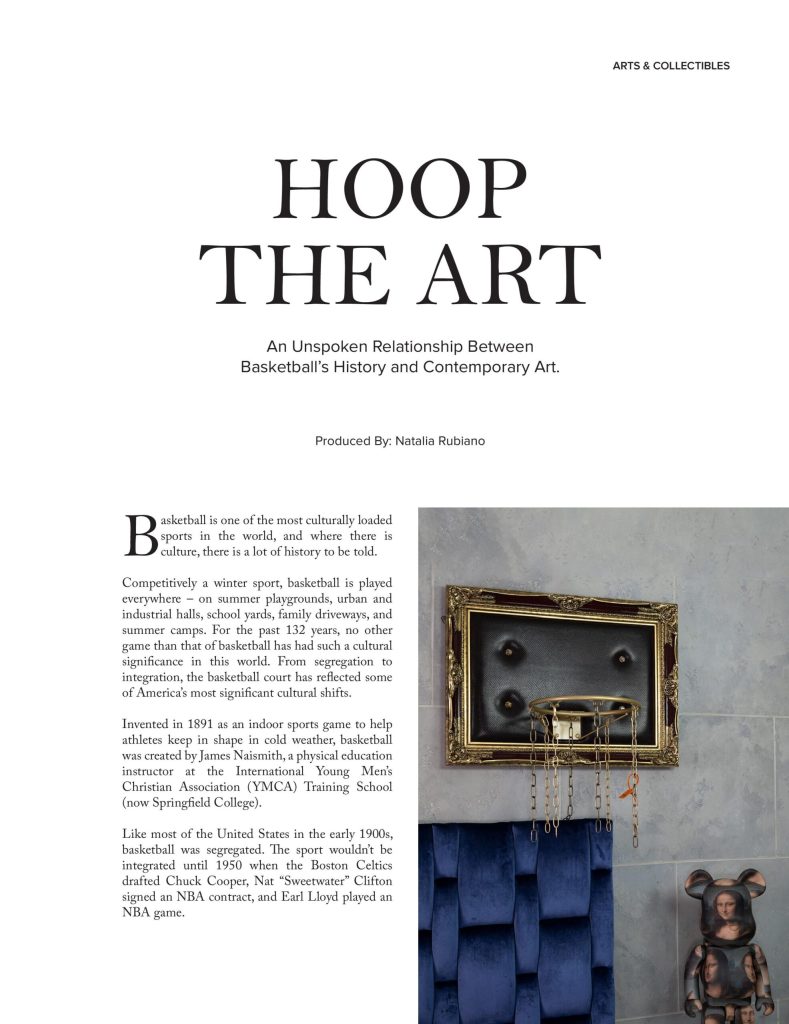
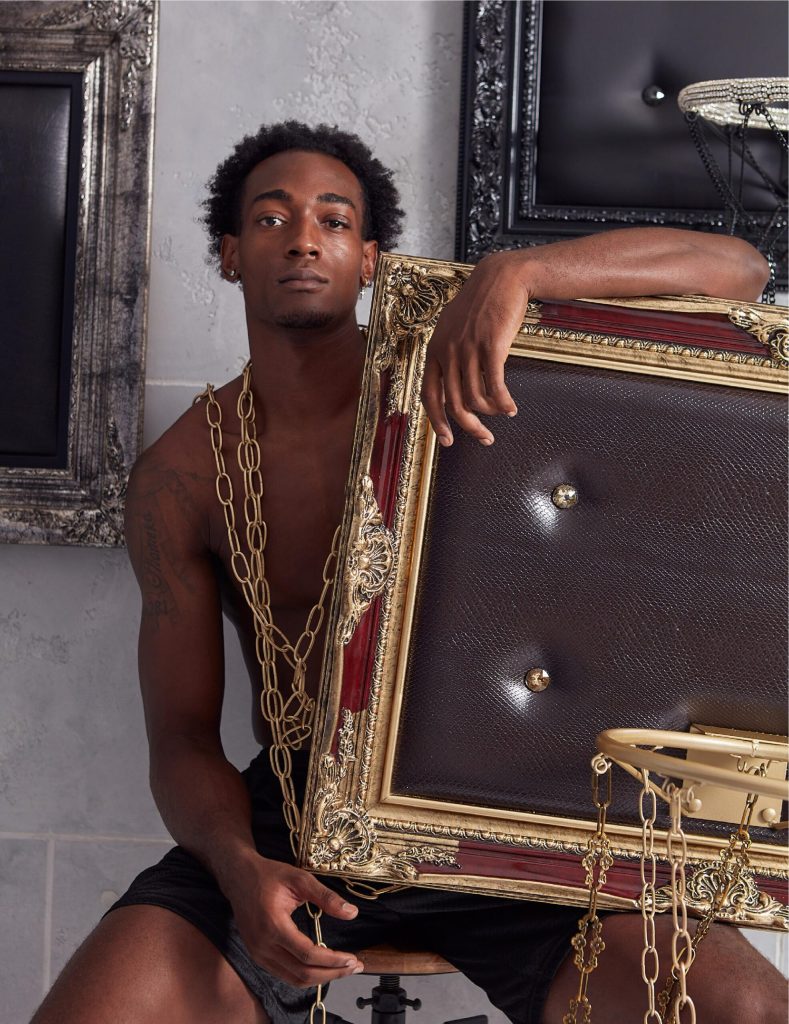
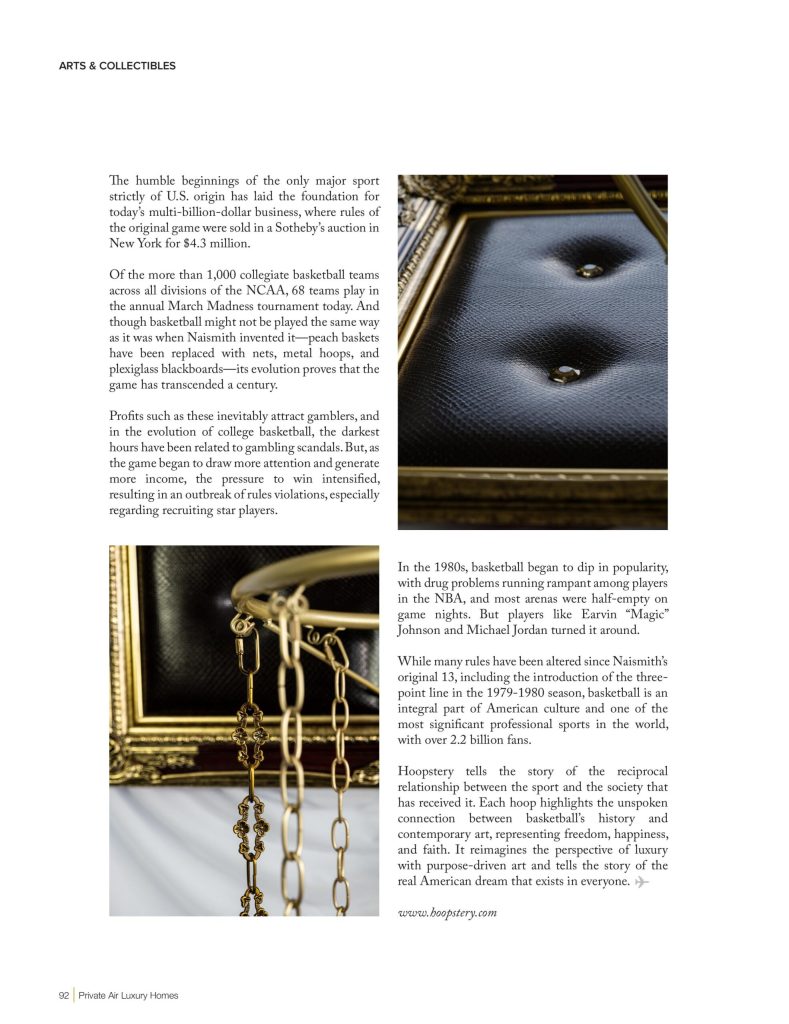
Hoopstery is a Miami-based luxury basketball hoop brand founded by Kseniia Matiakubova. The company creates sculptural basketball hoops for private estates, luxury hotels, and boutique commercial spaces.
At the time of engagement, Hoopstery possessed a visually distinctive product but lacked clear market positioning within the luxury sector. The company risked being interpreted as a novelty object or decorative status symbol rather than a culturally meaningful design investment. Grozina was engaged to develop the positioning, narrative, and credibility strategy necessary to elevate Hoopstery from a luxury product into a recognized form of collectible functional art capable of resonating with high-net-worth buyers, designers, and luxury hospitality decision-makers.
CHALLENGE
The core challenge was perception. Luxury buyers do not purchase solely on aesthetics or functionality; they purchase based on story, identity, cultural relevance, and long-term symbolic value. Without a deeper narrative framework, Hoopstery risked being categorized as a niche sports accessory or decorative novelty rather than a legitimate artistic or architectural statement piece.
The challenge was not simply generating awareness. In luxury markets, visibility without proper positioning can weaken brand value rather than strengthen it. If audiences encounter a product before understanding how to interpret it, they default to the closest familiar category — often reducing distinctive products to gimmicks, trends, or status objects. Increased exposure at the wrong stage would have amplified misunderstanding rather than prestige.
To gain traction among affluent buyers, interior designers, and hospitality decision-makers, Hoopstery needed to change the criteria through which it was understood and evaluated. The brand had to exist within the cultural language of art, design, legacy, and collectible value — not within the category of novelty luxury goods.
STRATEGIC APPROACH
- Decided to prioritize designers, decorators, stagers, and luxury hospitality decision-makers rather than broad consumer awareness because these audiences heavily influence purchasing decisions for affluent clients and premium spaces.
- Decided to focus on precision media placement over volume because credibility within luxury categories is built through trusted environments that shape perception. Media strategy emphasized publications capable of reframing Hoopstery as collectible functional art rather than a decorative luxury object.
EXECUTION HIGHLIGHTS
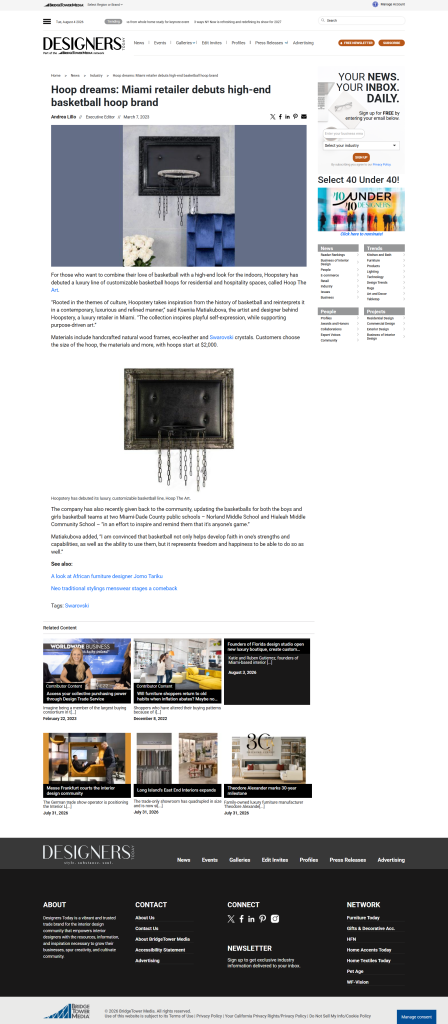
- Secured targeted placements in luxury and design publications such as Designer’s Today that are read by interior designers, boutique showroom owners, decorators, and luxury hospitality stakeholders.
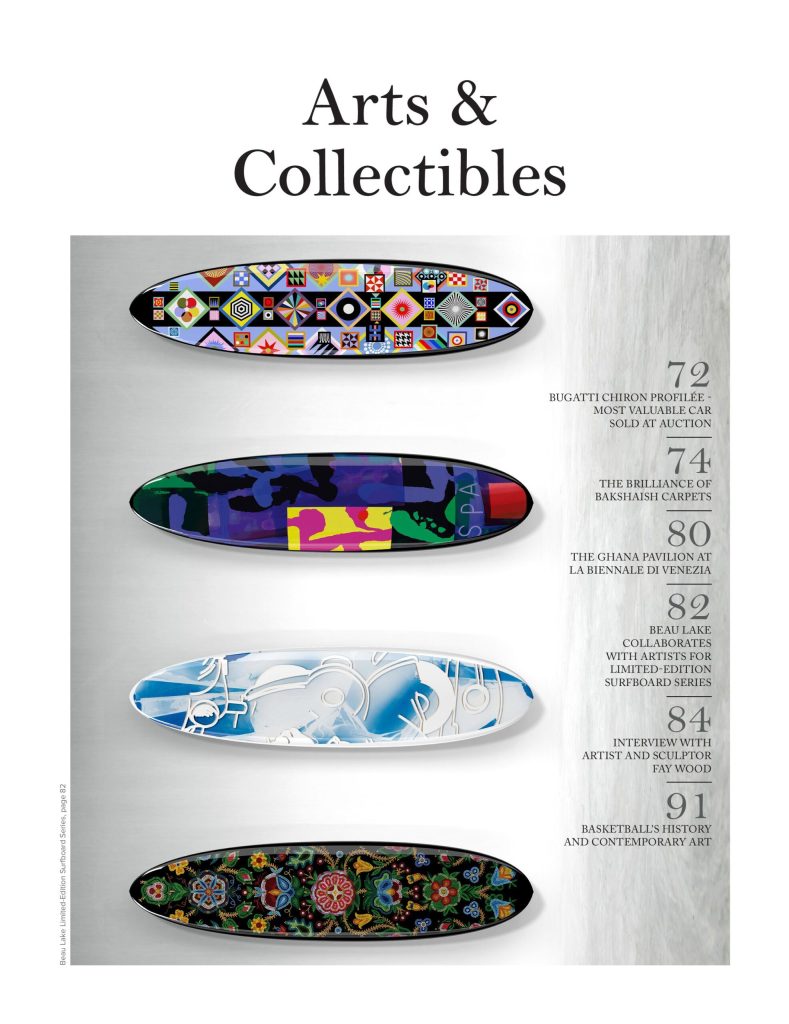
- Anchored the brand narrative through a three-page feature, “Hoop the Art: An Unspoken Relationship Between Basketball’s History and Contemporary Art,” in Private Air Luxury Homes magazine.
- Reframed the product through storytelling that connected basketball heritage, identity, legacy, and contemporary art.
- Reached an audience with an average household income of approximately $5.8 million, including professional athletes, celebrities, collectors, and affluent buyers.
- Generated inbound interest from previously untapped channels, including interior designers, boutique showrooms, hospitality groups, and private clients.
RESULTS AND IMPACT
Hoopstery moved from unclear market categorization to a defined position within the luxury art and design ecosystem. Rather than being interpreted as a decorative sports object, the brand increasingly became understood as a collectible installation tied to identity, environment, and personal expression.
Media placements strengthened third-party credibility and introduced the brand to concentrated networks of affluent buyers and influential decision-makers, resulting in increased inbound inquiries from designers, showroom owners, luxury hospitality stakeholders, and private clients. Sales activity shifted toward higher-intent buyers and custom commissions aligned with premium positioning.
Most importantly, the engagement changed the criteria through which Hoopstery was evaluated. The brand established a clear framework for how it should be understood, valued, and integrated into elite environments—moving beyond the category of luxury accessory and into the realm of functional collectible art with stronger long-term market positioning.