CASE STUDY: Repositioning for Commercial Scale Without Losing Residential Strength — Green Oxen’s Dual-Market Expansion
CASE STUDY / Repositioning for Commercial Scale Without Losing Residential Strength — Green Oxen’s Dual-Market Expansion
BACKGROUND
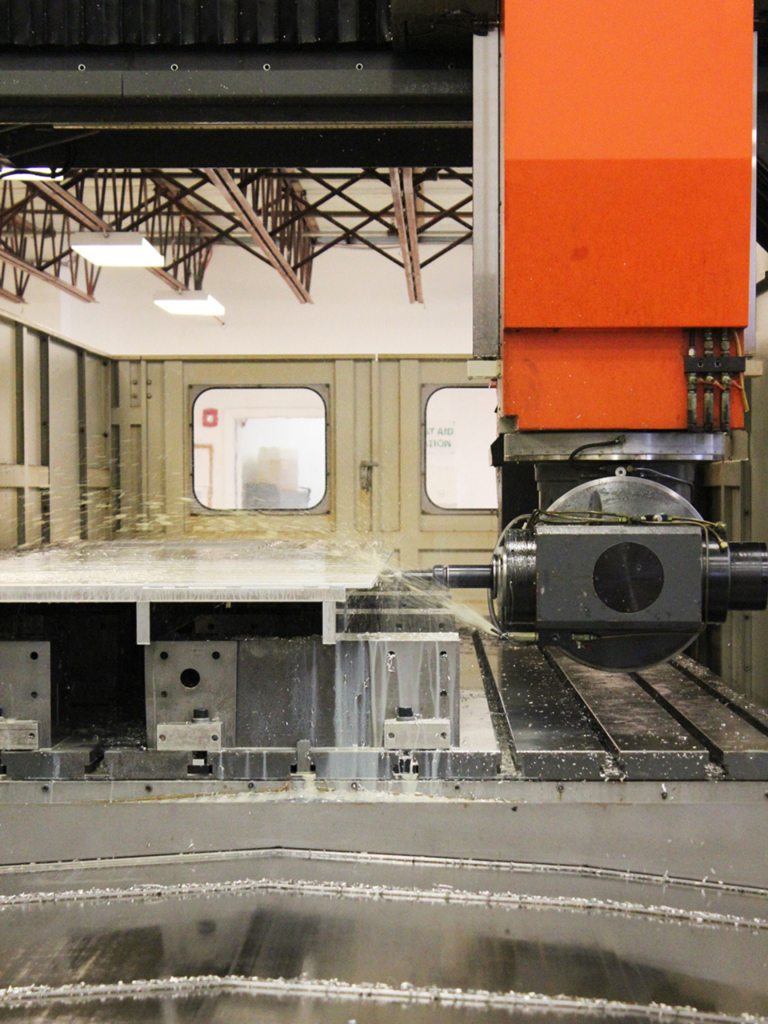
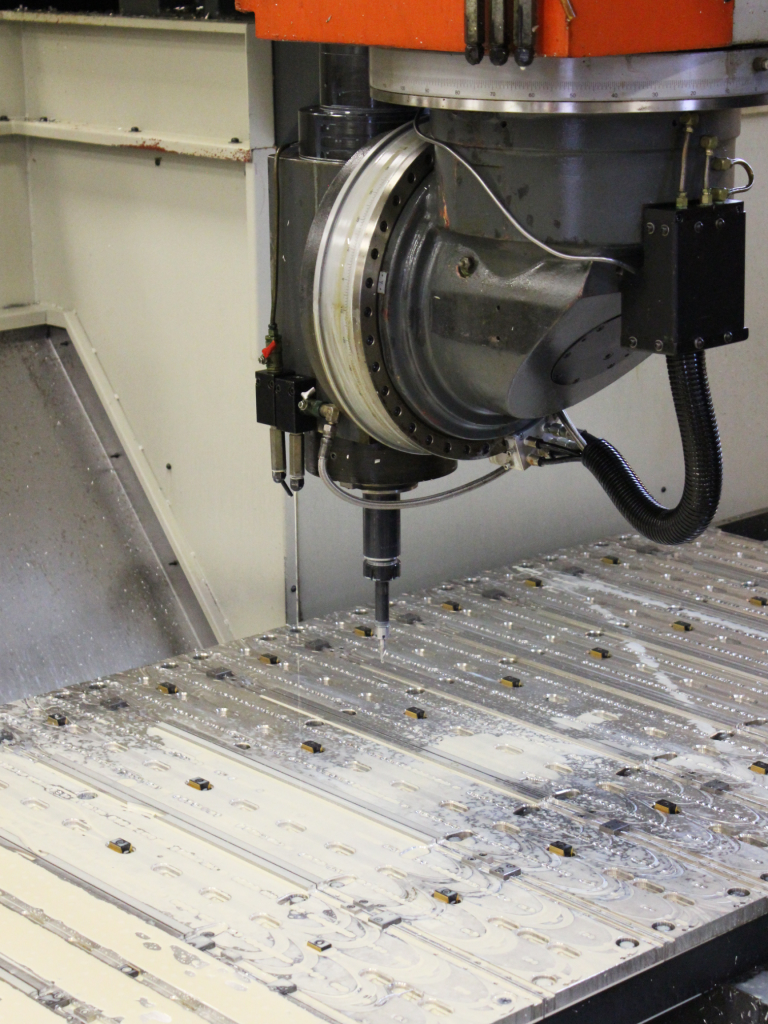
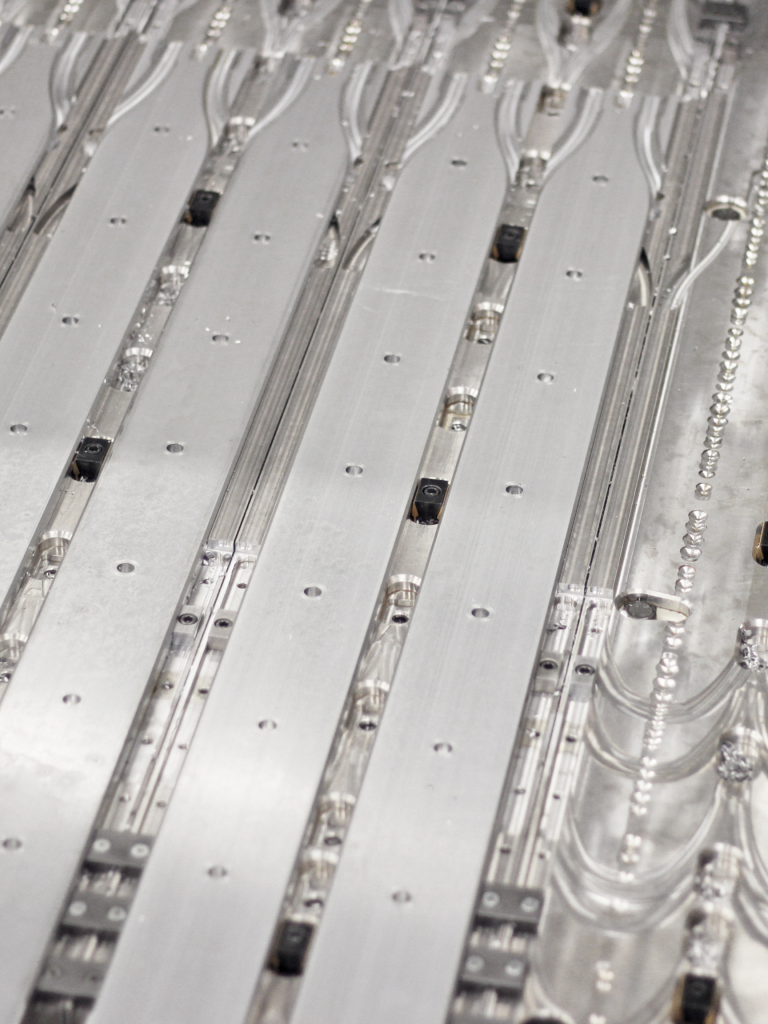
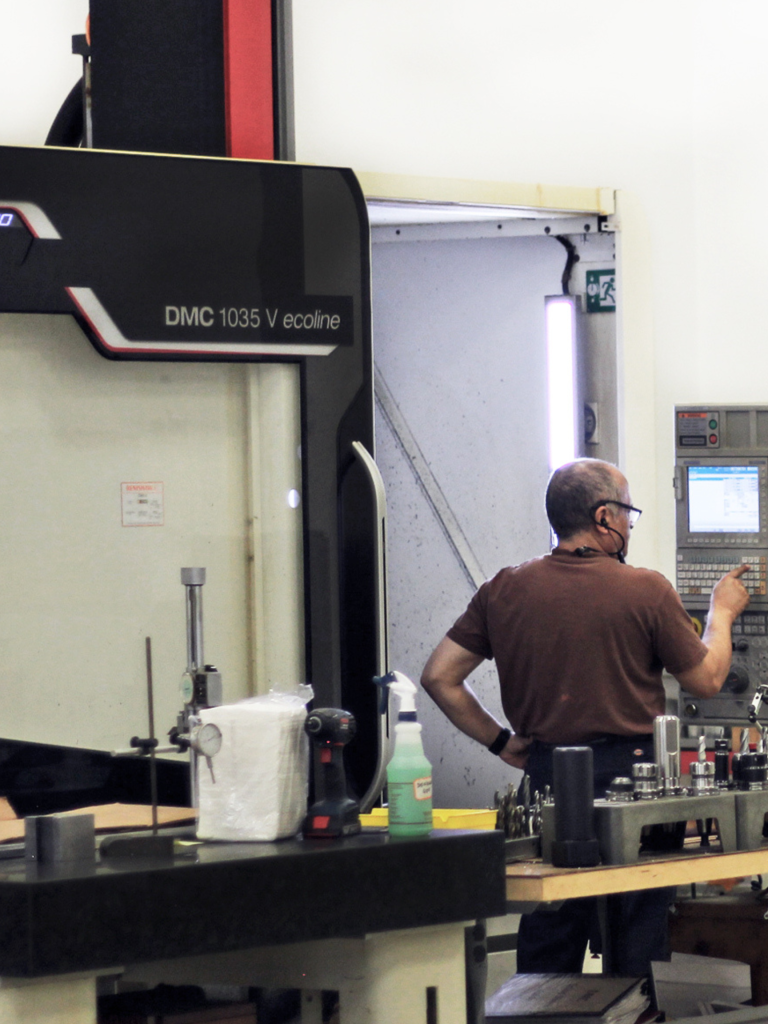
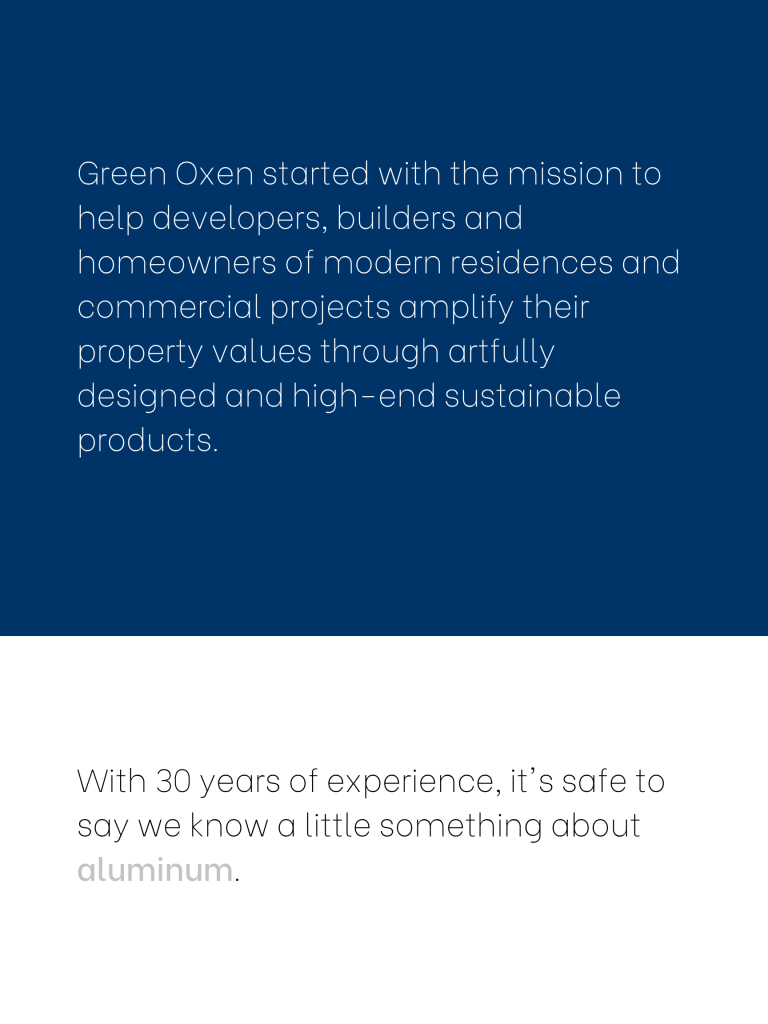
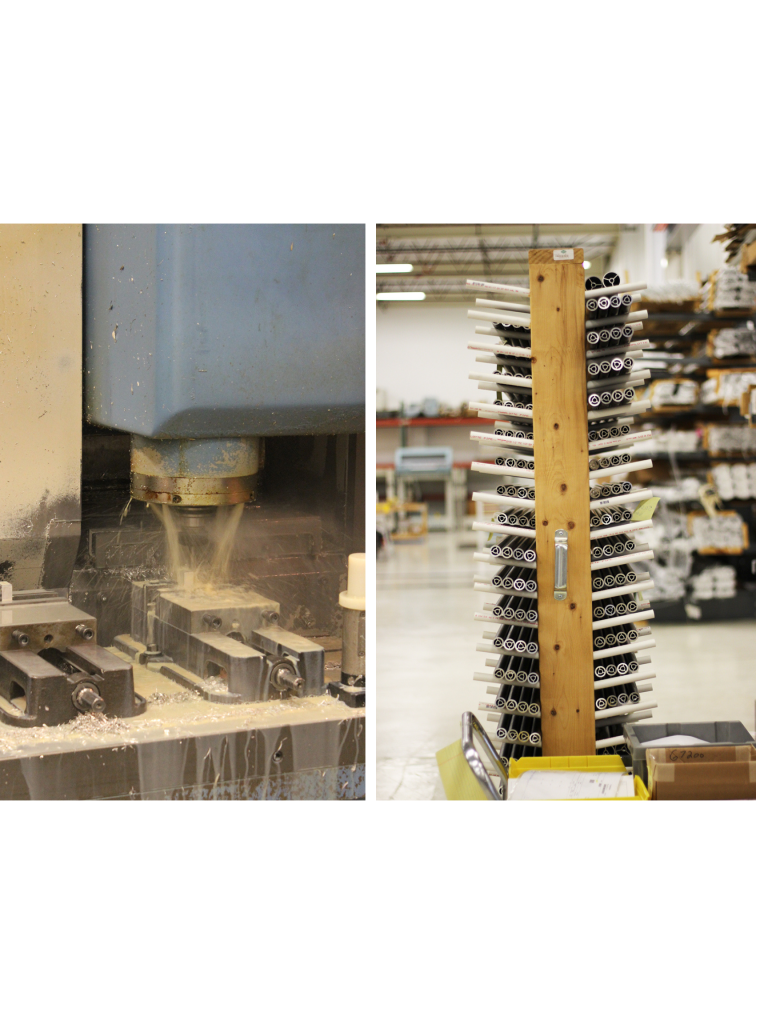
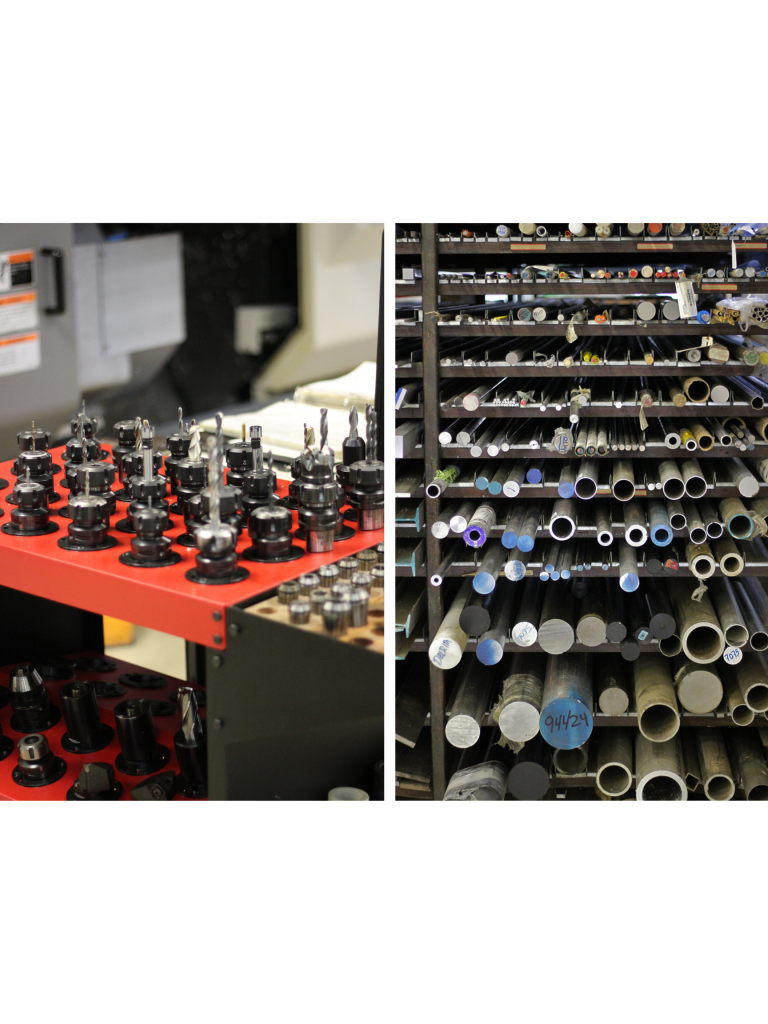
Green Oxen is a U.S.-based manufacturer of aluminum architectural systems operating within the sustainable construction materials sector. From a 75,000-square-foot advanced manufacturing facility powered in part by on-site wind energy, the company designs and manufactures domestically sourced architectural products supporting both residential and commercial applications.
Before engaging Grozina, Green Oxen had successfully gained traction through an innovative residential model centered around custom aluminum products designed to simplify the buying and installation experience. Inspired in part by the accessibility of IKEA-style assembly, the concept introduced a more approachable alternative to traditional custom fabrication — allowing homeowners to purchase design-forward aluminum systems with a more streamlined installation process.
A strong social media presence helped accelerate residential momentum. DIY-inspired content attracted homeowners interested in weekend renovation projects, outdoor upgrades, and modern architectural aesthetics, helping Green Oxen build meaningful brand awareness and demand within the residential market. However, success revealed operational realities that made national scalability more difficult than originally anticipated.
Unlike standardized furniture systems, Green Oxen’s products required exact, project-specific measurements before manufacturing could begin. Homeowners were responsible for measuring balconies, stairways, and installation spaces, with systems custom fabricated to precise specifications. Even minor measurement inaccuracies could create production complications, installation challenges, and customer experience friction. While the residential model had validated demand and built meaningful momentum, scaling nationally required additional operational refinement around measurement accuracy, customer education materials and installation support. At the same time, another opportunity was becoming increasingly clear.
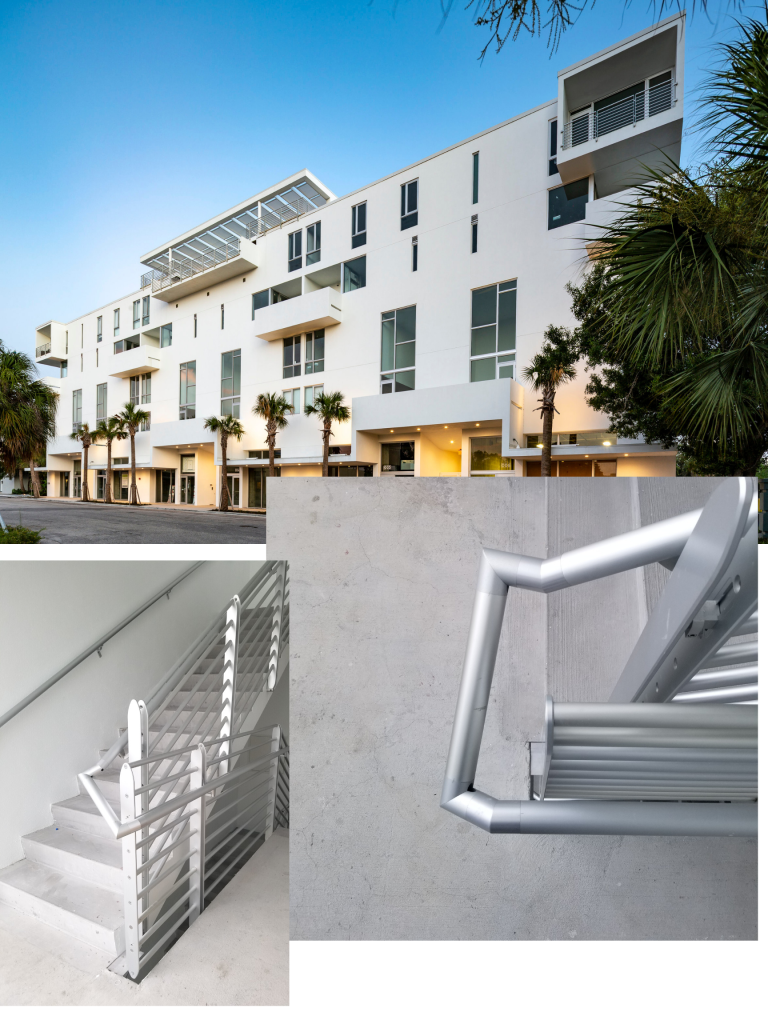
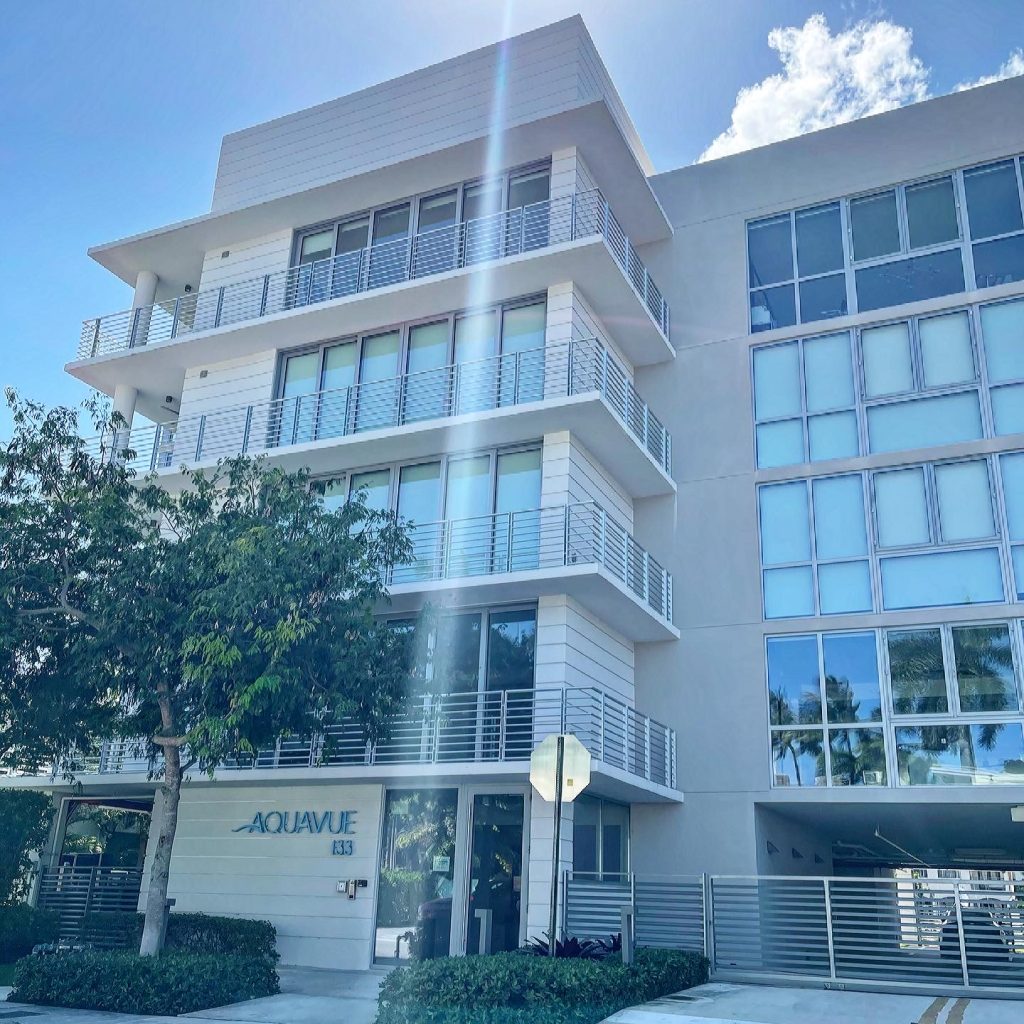
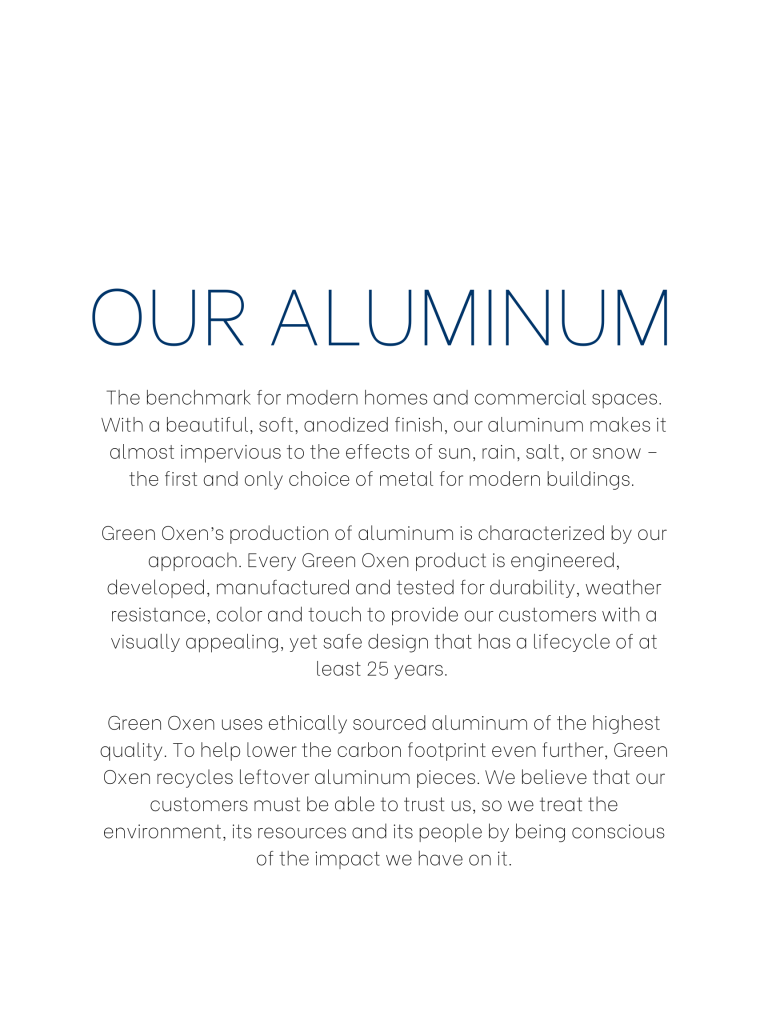
Green Oxen already possessed the manufacturing sophistication, sustainability certifications, renewable-powered production capabilities, and technical infrastructure necessary to support larger commercial construction projects — including green building initiatives and LEED-focused development. South Florida’s accelerating luxury development market, combined with growing demand for sustainable construction materials, created a natural expansion opportunity. Unlike residential DIY projects, commercial developments relied on architects, engineers, contractors, and project teams to provide verified specifications and professionally generated measurements, significantly reducing production risk and improving execution predictability. Commercial projects also offered larger, more repeatable revenue opportunities aligned with Green Oxen’s precision manufacturing capabilities.
The opportunity was clear, but the path forward was not. Green Oxen engaged Grozina to build a marketing framework capable of supporting commercial expansion and reducing residential friction.
CHALLENGE
Green Oxen was caught between two realities. Residential demand had created meaningful momentum, but also exposed operational limitations that made broader scalability difficult. At the same time, commercial opportunity existed, yet the company’s capabilities were not being fully recognized by architects, developers, contractors, and sustainability stakeholders.
Rather than treat these as separate issues, the challenge was approached as an interconnected growth problem requiring strategic sequencing. Green Oxen needed to reposition for commercial construction growth while strengthening its residential experience through dual-market marketing. After careful evaluation, the following priorities were established: first, segment the business by buyer behavior; second, strengthen the residential customer experience to reduce friction and improve consistency; third, reposition Green Oxen for commercial credibility and specification-driven opportunities; and finally, build the infrastructure necessary to support long-term scale across both markets.
STRATEGIC APPROACH
- Decided to segment the business by buyer behavior rather than treat all customers the same. Residential and commercial audiences evaluated products through fundamentally different lenses, requiring different messaging, systems, and buying journeys. Homeowners prioritized design, simplicity, and confidence in installation, while architects, developers, contractors, municipalities, and LEED stakeholders prioritized compliance, engineering reliability, sustainability alignment, performance standards, and long-term project value. Messaging, website pathways, collateral materials, and communications were therefore separated to reflect how each audience made decisions.
- Decided to strengthen the residential customer experience rather than replace it. The IKEA-inspired DIY model had already validated demand and created meaningful momentum, but operational friction needed to be reduced before broader scale could occur sustainably. Customer education materials, measurement guidance, installation expectations, and residential collateral were restructured to create greater clarity, reduce avoidable errors, and improve consistency in the ordering experience for custom-fabricated systems.
- Decided to reposition before promotion for commercial growth because Green Oxen’s capabilities exceeded market perception. The company already possessed the certifications, renewable-powered manufacturing, and technical sophistication necessary to compete in commercial construction, but commercial stakeholders were not yet viewing Green Oxen as a specification-ready partner. Before increasing visibility, positioning needed to shift so external perception reflected operational reality. Messaging was reframed around sustainability, specification readiness, manufacturing sophistication, and long-term project value to better align with how commercial decision-makers evaluated materials.
- Decided to build infrastructure before scale to support long-term growth across both markets. Website architecture, SEO strategy, content systems, lead pathways, stakeholder communications, landing pages, and paid media frameworks were strengthened before aggressively increasing visibility, ensuring residential and commercial growth could scale simultaneously without creating fragmentation or customer confusion.
EXECUTION HIGHLIGHTS
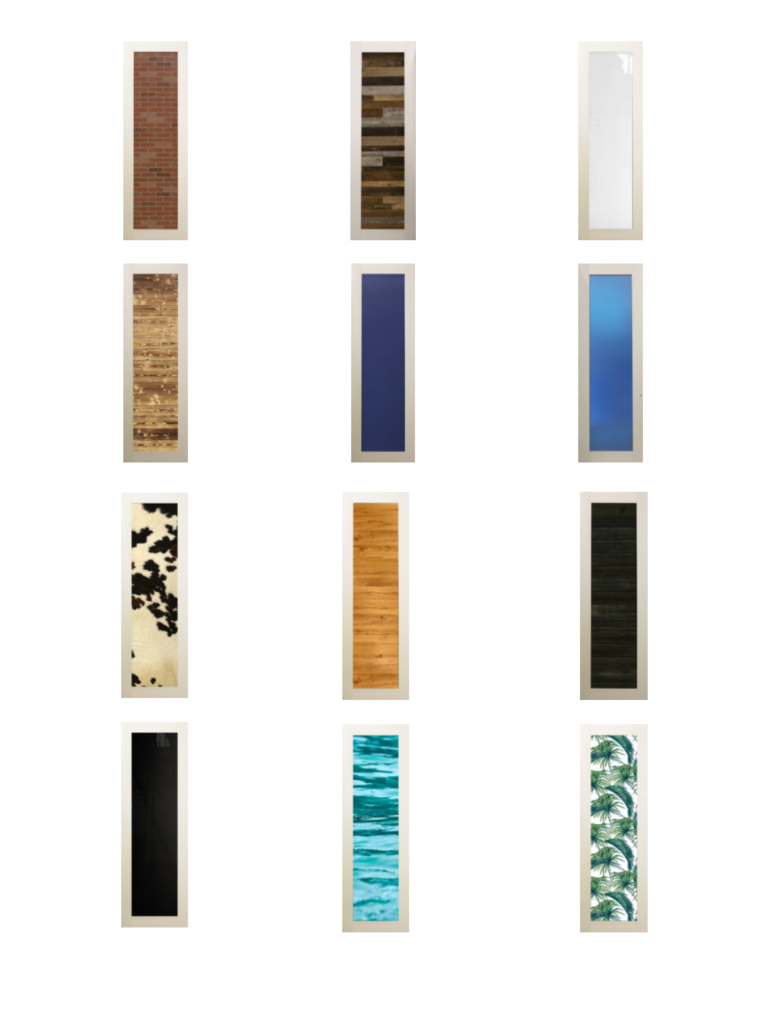
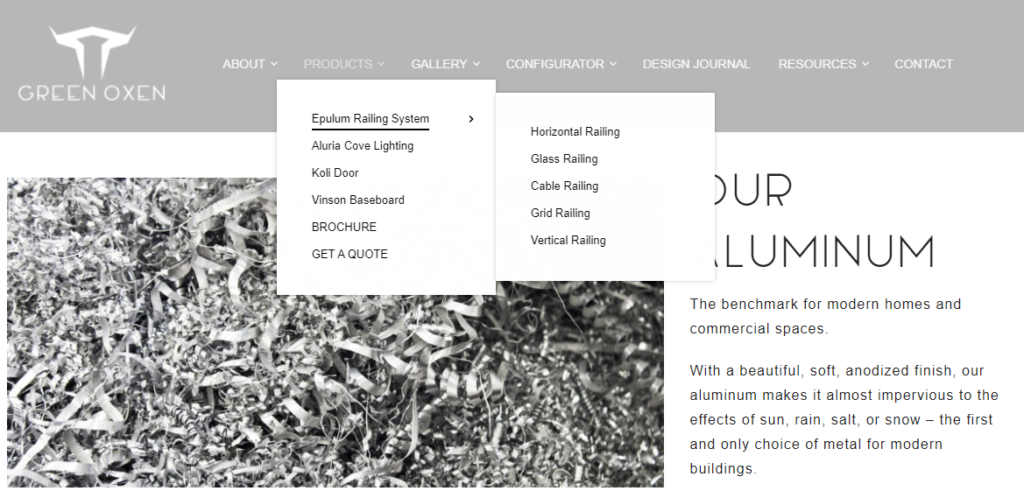
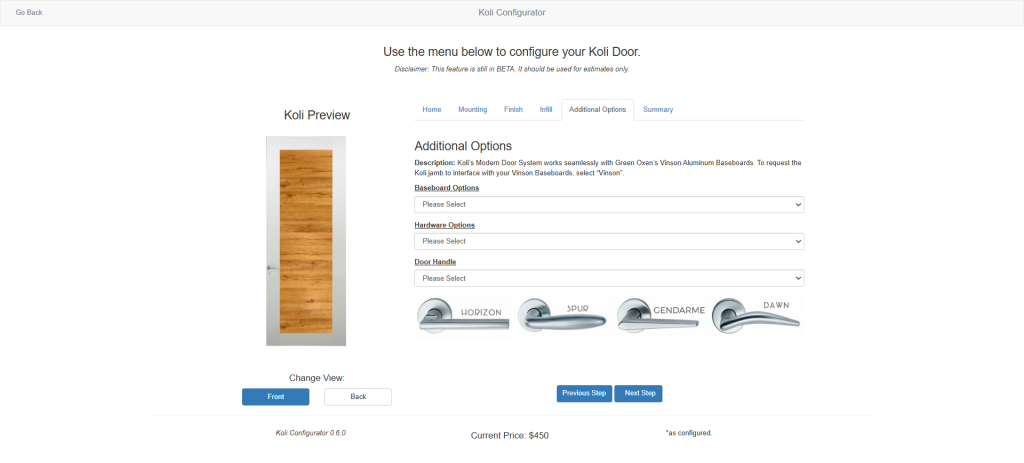
- Re-architected website structure to reflect two distinct buying journeys — preserving an intuitive, accessible experience for residential customers while introducing commercial pathways built around application-based navigation, technical specifications, project validation, and a custom door configurator to support specification-driven decision making.
- Repositioned core brand messaging to align external perception with Green Oxen’s operational reality, emphasizing advanced domestic manufacturing, sustainability certifications, renewable-powered production, and specification readiness for commercial construction while preserving accessibility for residential audiences.
- Redesigned the residential customer experience to reduce friction inherent in custom fabrication by strengthening educational materials, measurement guidance, installation expectations, and customer-facing collateral. This included restructuring how homeowners were guided through the buying process to improve accuracy, confidence, and consistency when ordering highly customized architectural systems.
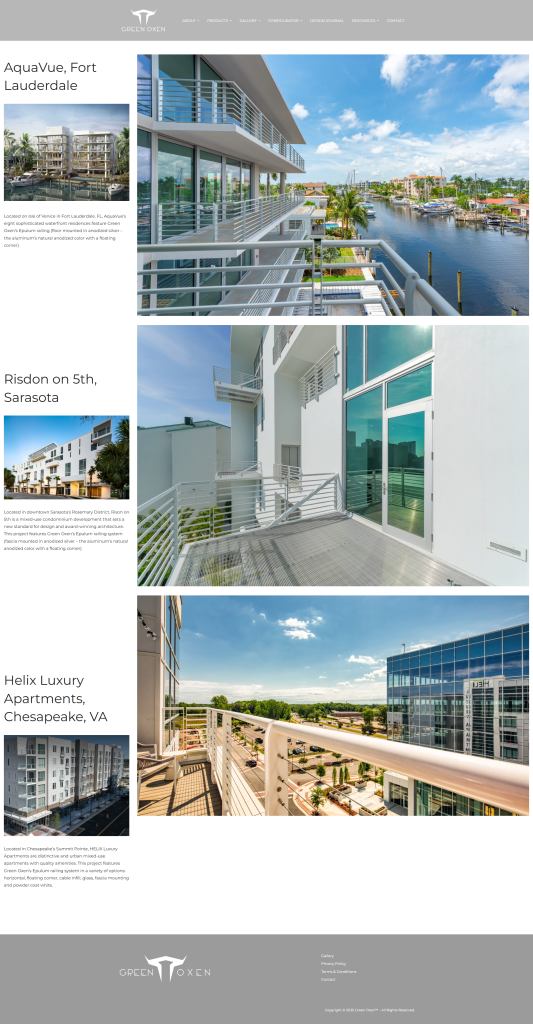
- Built an entirely new suite of commercial-facing materials to support specification-driven sales and stakeholder engagement, translating Green Oxen’s technical capabilities into language relevant to architects, developers, contractors, municipalities, luxury developments, and sustainability professionals. Materials emphasized compliance, performance, sustainability credentials, manufacturing sophistication, and long-term project value.
- Maintained the Design Journal as a residential-facing educational platform focused on sustainability in home environments while launching segmented communication systems, including email nurture campaigns tailored separately to homeowners and commercial stakeholders. Commercial campaigns addressed sustainable construction practices, LEED-related benefits, luxury development trends, and manufacturing transparency, while residential campaigns focused on project education, trust-building, and long-term engagement.
- Built separate paid media strategies for residential and commercial audiences rather than relying on a single acquisition approach. Developed a new residential campaign to strengthen homeowner demand and local visibility while restructuring and optimizing commercial campaigns around high-intent architectural, sustainability, luxury development, and specification-related search behavior.
- Developed dedicated website landing pages and conversion pathways for residential and commercial buyers to improve campaign performance, audience segmentation, and user experience. Residential pathways emphasized accessibility, education, and project confidence, while commercial pathways prioritized technical specifications, sustainability credentials, manufacturing sophistication, and project validation.
- Strengthened residential visibility through localized targeting, community-oriented outreach, and educational engagement designed to maintain homeowner trust and support continued demand within local markets.
- Developed commercial authority-building content designed to strengthen trust among architects, developers, contractors, municipalities, luxury developments, and green building stakeholders through education around material performance, compliance, sustainability frameworks, engineering reliability, and specification readiness.
- Expanded residential educational content to support more informed purchasing decisions, improve project preparedness, and strengthen confidence in custom-fabricated systems through clearer guidance and customer education.
- Established commercial relationship pathways targeting developers, architects, municipalities, contractors, luxury developments, and green building organizations to strengthen specification-driven opportunities and long-term stakeholder engagement.
- Maintained continuity with residential audiences through educational content, localized visibility efforts, and community engagement to preserve momentum while the residential model continued to mature.
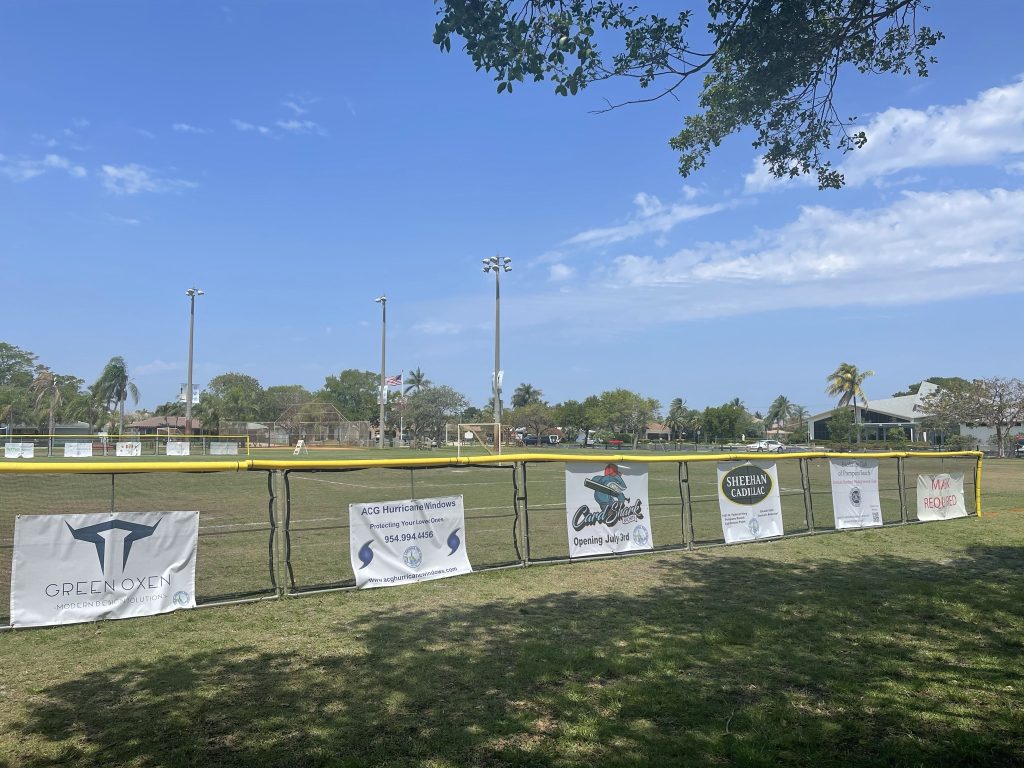
- Positioned Green Oxen within commercial industry events, stakeholder environments, sponsorships, and earned media opportunities — including placement in American Recycler — to strengthen credibility across sustainability, green building, and commercial construction sectors.
RESULTS AND IMPACT
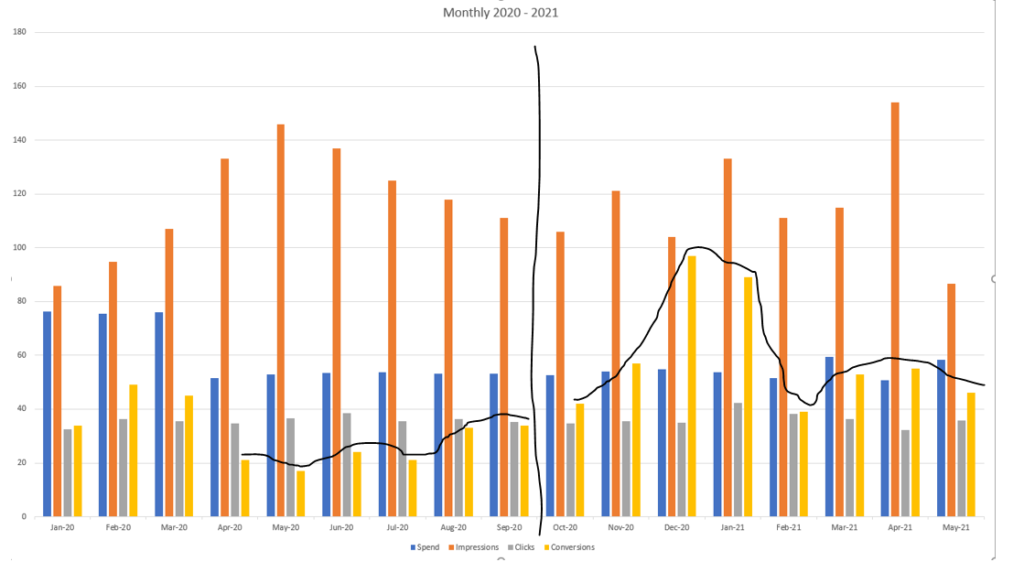
As market perception became more aligned with operational capability, inbound activity shifted from approximately five residential leads per week to more than five qualified commercial leads per day, materially increasing both the scale and quality of opportunities entering the pipeline.
Commercial credibility strengthened through expanded relationships with architects, developers, municipalities, contractors, green building organizations, and institutional stakeholders, positioning Green Oxen more competitively within specification-driven environments.
At the same time, residential continuity remained stable, preserving an important business foundation while giving Green Oxen additional time to refine and strengthen the operational systems necessary to support broader DIY scale in the future.
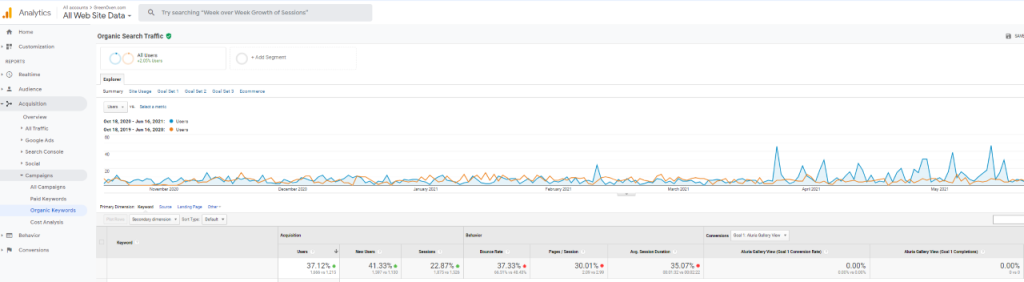
Website restructuring, SEO, paid media, and messaging improvements strengthened digital visibility and demand generation, helping external audiences better understand the sophistication of Green Oxen’s renewable-powered manufacturing operation, sustainability commitment, and ability to support larger-scale projects.
Most importantly, Green Oxen established a scalable dual-market positioning framework in which residential continuity and commercial expansion could coexist without diluting brand credibility — creating alignment between how the company operated, where market opportunities existed, and how the business would scale over time.