CASE STUDY: Revitalizing a Historic Neighborhood Without Losing Its Character, Building Stakeholder Alignment During Coconut Grove’s Redevelopment
CASE STUDY / Revitalizing a Historic Neighborhood Without Losing Its Character, Building Stakeholder Alignment During Coconut Grove’s Redevelopment
BACKGROUND
Founded in 1873, Coconut Grove had long been defined by its walkability, independent businesses, artistic culture, and bohemian identity. By 2014–2015, rising land values and renewed developer interest placed the neighborhood at the center of Miami’s broader luxury development wave.
The Coconut Grove Business Improvement District (BID) was formed to support economic growth, tourism visibility, public programming, and local business activity while maintaining trust among residents, city leadership, developers, and business stakeholders during a period of heightened public sensitivity surrounding redevelopment. Grozina was engaged to develop the marketing and public relations strategy necessary to support the BID’s initiatives and the City of Miami’s modernization efforts.
CHALLENGE
The challenge was managing competing definitions of what growth should mean for Coconut Grove during a period of accelerated redevelopment. Developers prioritized investment and modernization. Businesses sought increased visitation and economic activity. Residents focused on preserving neighborhood character, walkability, and cultural identity. Municipal leadership needed to balance redevelopment with public trust and political stability. With all of that combined, the real challenge was maintaining public confidence and economic participation during change.
In historic districts, redevelopment often creates uncertainty that reduces foot traffic, weakens stakeholder trust, and generates skepticism surrounding future neighborhood identity. Public resistance is rarely driven by construction alone; it is driven by fear that modernization may eventually replace the qualities that made the district valuable in the first place.
For Coconut Grove, redevelopment created both a narrative risk and an economic risk. Without coordinated marketing, communications, and stakeholder alignment, businesses risked reduced activity during transition, residents risked becoming increasingly disengaged, and redevelopment could be interpreted as displacement rather than continuity. The challenge was to use communications, marketing, and public programming not simply to promote Coconut Grove, but to maintain engagement, strengthen local economic activity, and preserve trust while the neighborhood evolved.
STRATEGIC APPROACH
- Decided to position the BID as a cultural steward and community stabilizer rather than a development advocacy organization because public trust depended on demonstrating that redevelopment would be guided by neighborhood identity rather than external investment priorities. In historic districts, growth is more likely to gain acceptance when institutions are perceived as protecting what exists rather than replacing it. Positioning the BID as a steward helped reduce skepticism while strengthening credibility across residents, businesses, and municipal stakeholders.
- Decided to frame redevelopment as continuity and refinement rather than reinvention or replacement because redevelopment messaging centered around transformation often increases public fear in historically sensitive neighborhoods. Coconut Grove’s long-term economic value was tied to its walkability, artistic culture, and neighborhood identity. Positioning modernization as an extension of what already existed increased public acceptance while reducing concerns surrounding over-commercialization and cultural erosion.
- Decided to elevate existing neighborhood history, local businesses, traditions, and identity assets rather than introduce artificial rebranding initiatives because authenticity represented one of Coconut Grove’s strongest competitive and cultural advantages. Introducing a heavily manufactured identity risked weakening resident trust and disconnecting redevelopment efforts from the neighborhood’s historical foundation. Strengthening existing identity assets allowed modernization to feel organic rather than imposed. Marketing was used to strengthen visitation and business engagement by amplifying what residents and visitors already valued.
- Decided to align messaging across residents, developers, city leadership, tourism organizations, and business stakeholders because fragmented public narratives risked increasing skepticism and stakeholder conflict during a high-growth period. Without coordinated messaging, redevelopment could easily be interpreted through competing interests rather than shared community outcomes. Alignment created greater consistency between public communication, economic priorities, and neighborhood expectations.
- Decided to integrate economic activation with community-facing cultural programming rather than separate commercial growth from civic engagement because visible public participation helped reinforce the perception that redevelopment remained locally inclusive. Community programming increased neighborhood activity, supported local businesses, and helped residents experience growth as participation rather than displacement.
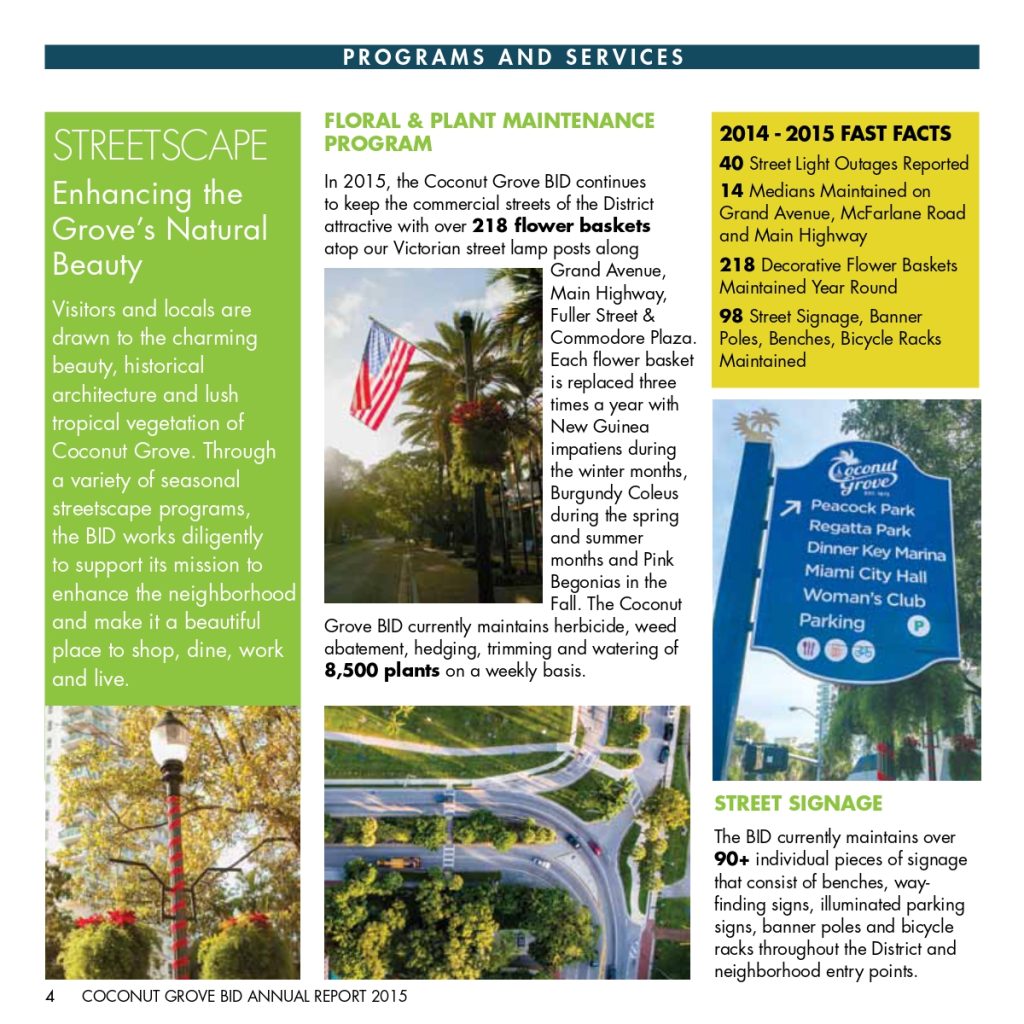
- Decided to modernize visitor communications, digital engagement, and accessibility infrastructure while preserving neighborhood tone and character because increasing tourism and foot traffic required improved usability without undermining authenticity. Enhancing digital visibility, parking accessibility, and navigation systems supported business growth while maintaining the historic feel associated with Coconut Grove.
- Decided to strengthen institutional coordination between the BID, City of Miami, tourism agencies, chambers of commerce, developers, and local businesses because redevelopment credibility depended on visible stakeholder alignment. Consistent coordination reduced narrative fragmentation and helped ensure modernization efforts reinforced, rather than weakened, public trust.
EXECUTION HIGHLIGHTS
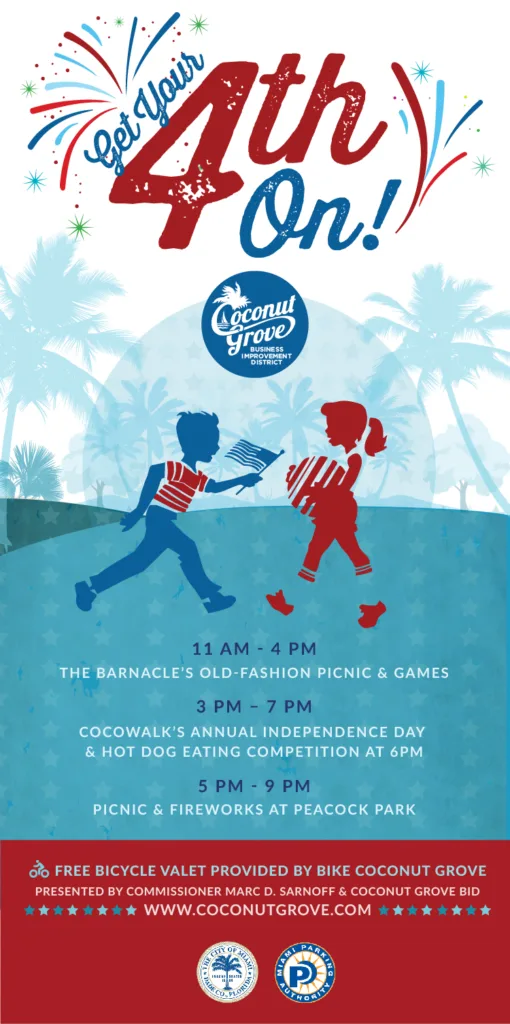
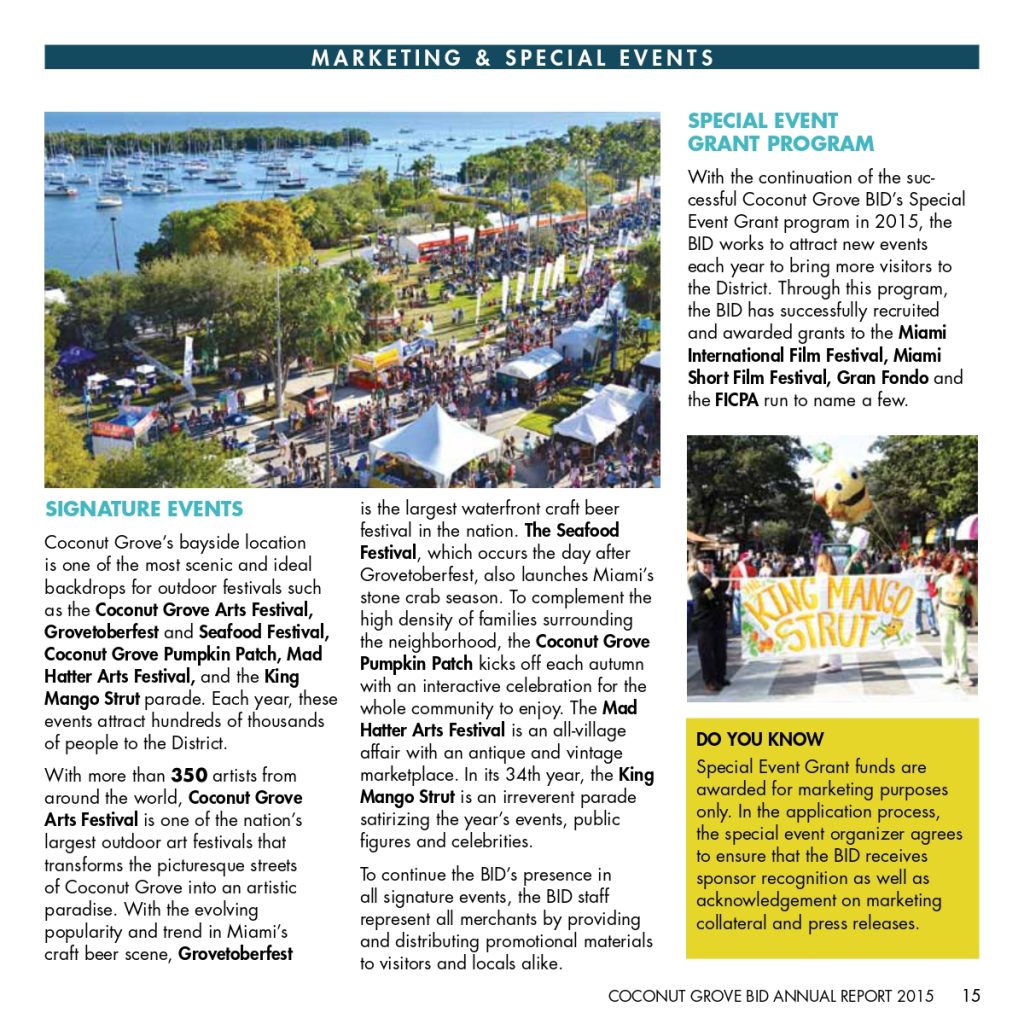
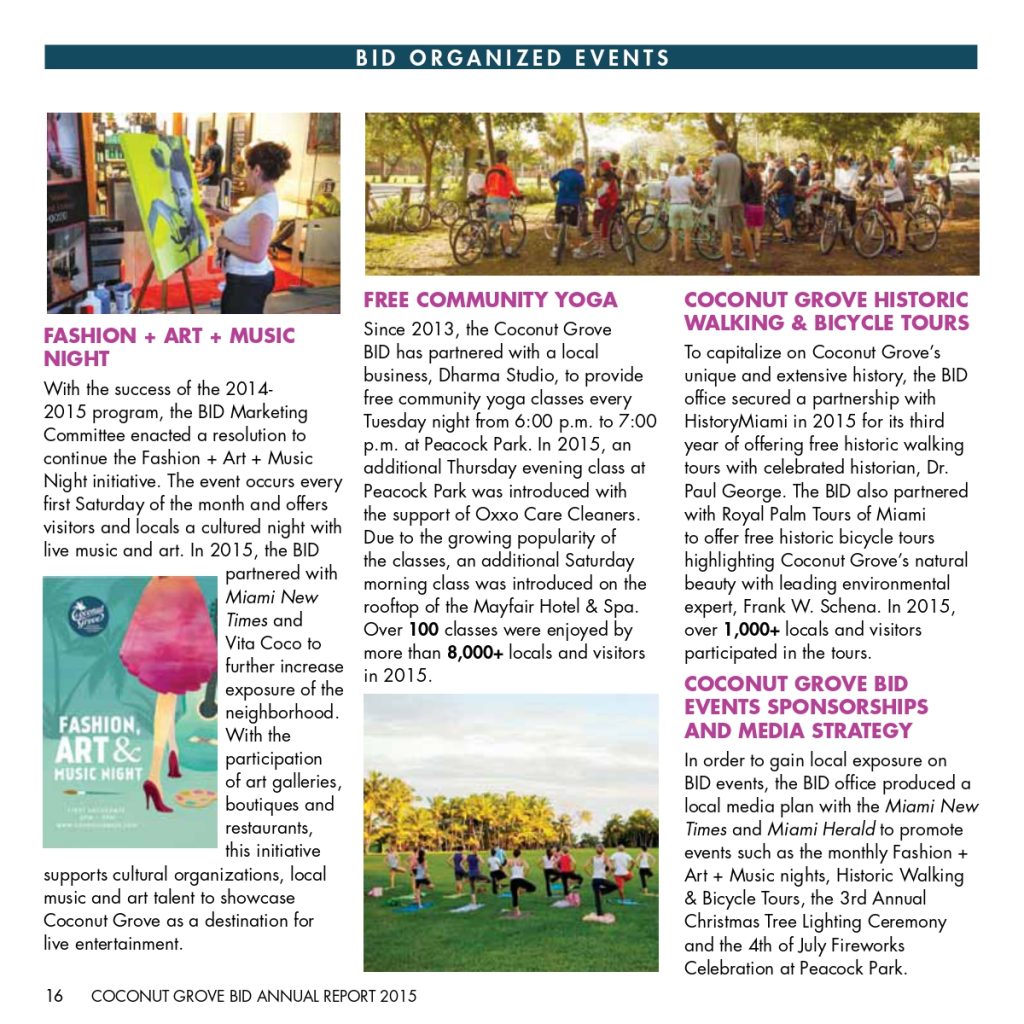
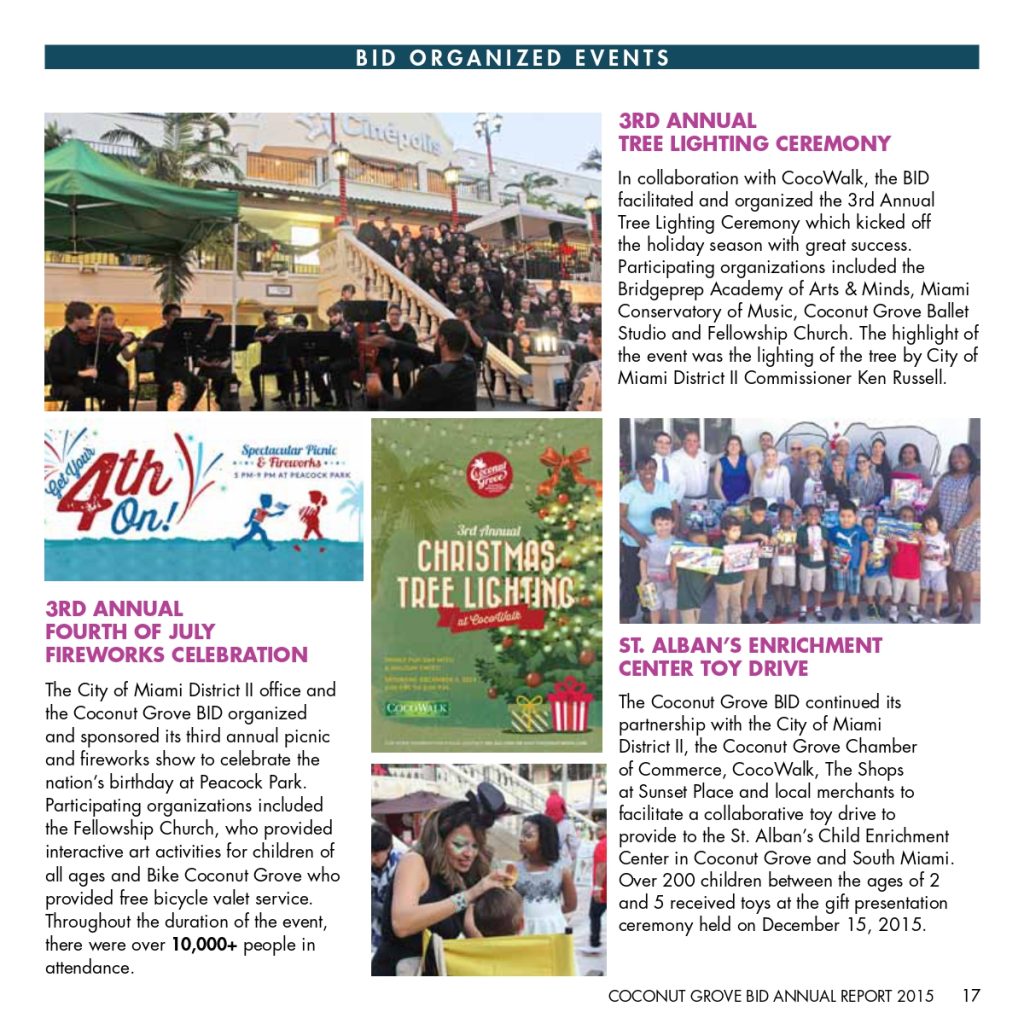
- Produced large-scale civic and cultural programming, including the Fourth of July Fireworks Celebration attracting more than 10,000 attendees, to reinforce community participation and demonstrate that redevelopment remained locally inclusive rather than externally driven
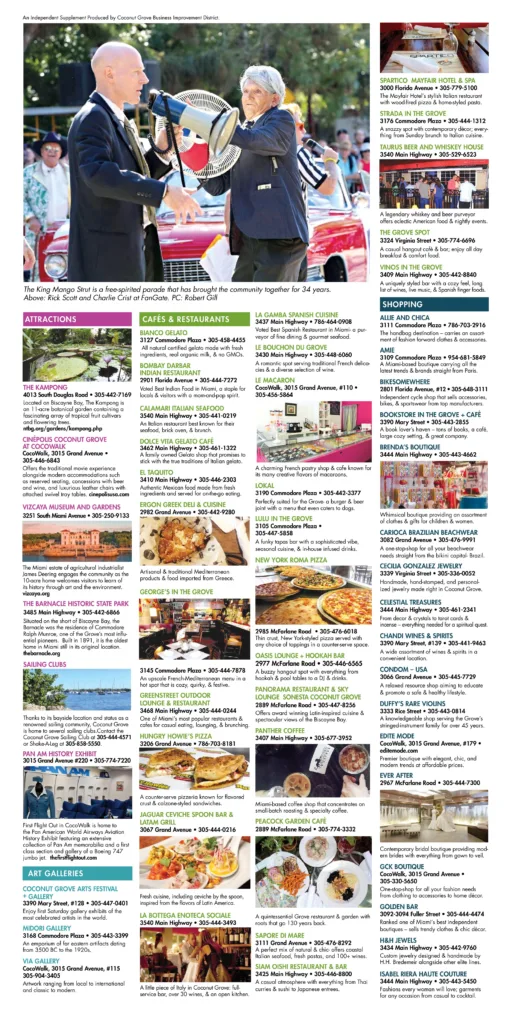
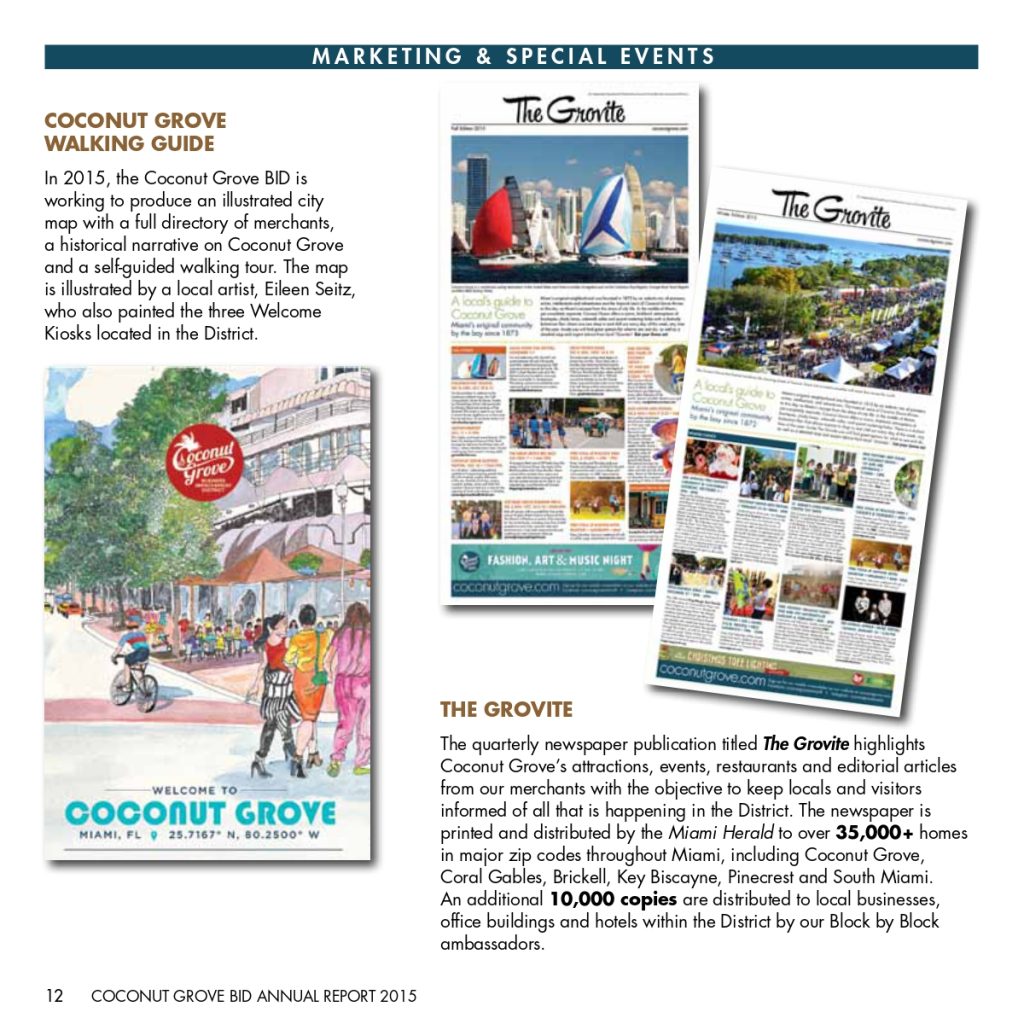
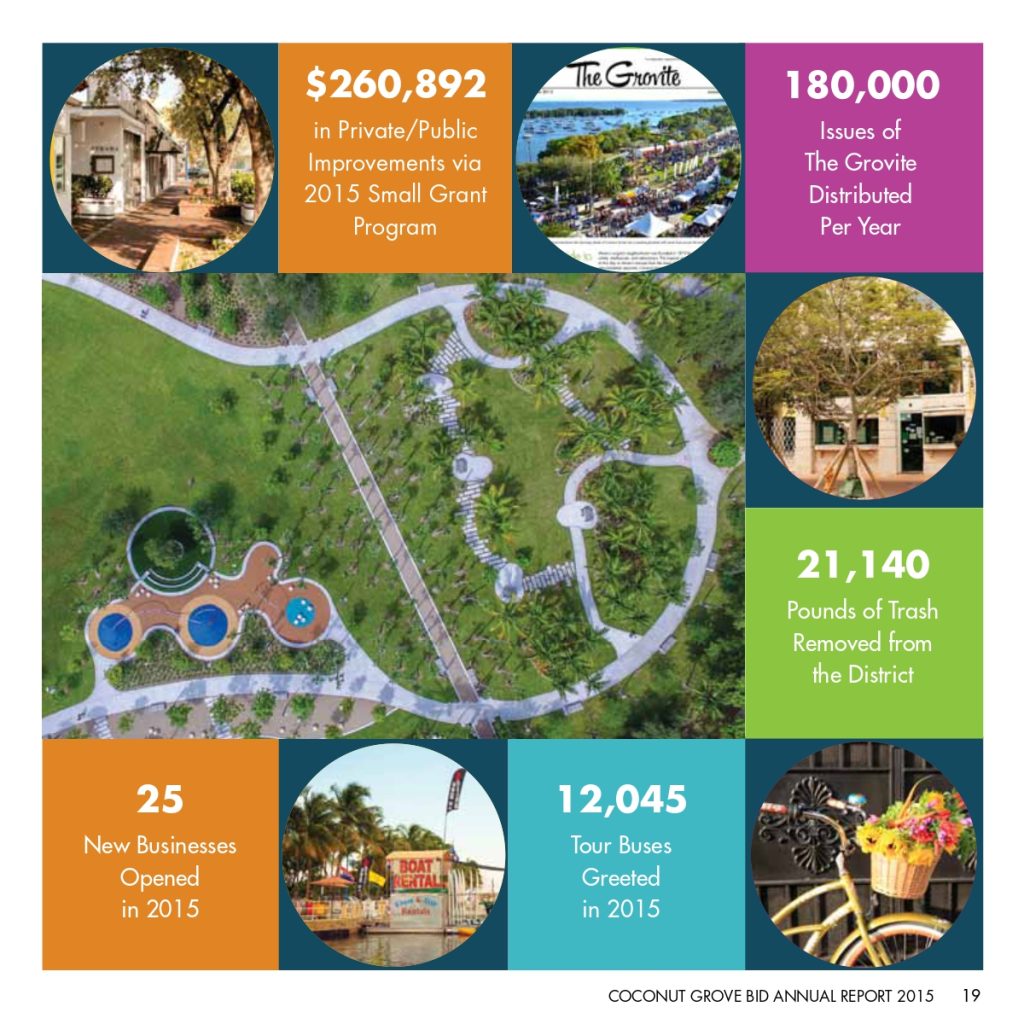
- Expanded distribution of The Grovite newspaper from 8 ZIP codes to 16 ZIP codes through partnership with the Miami Herald, strengthening neighborhood communications while preserving a community-centered voice during a high-sensitivity redevelopment period
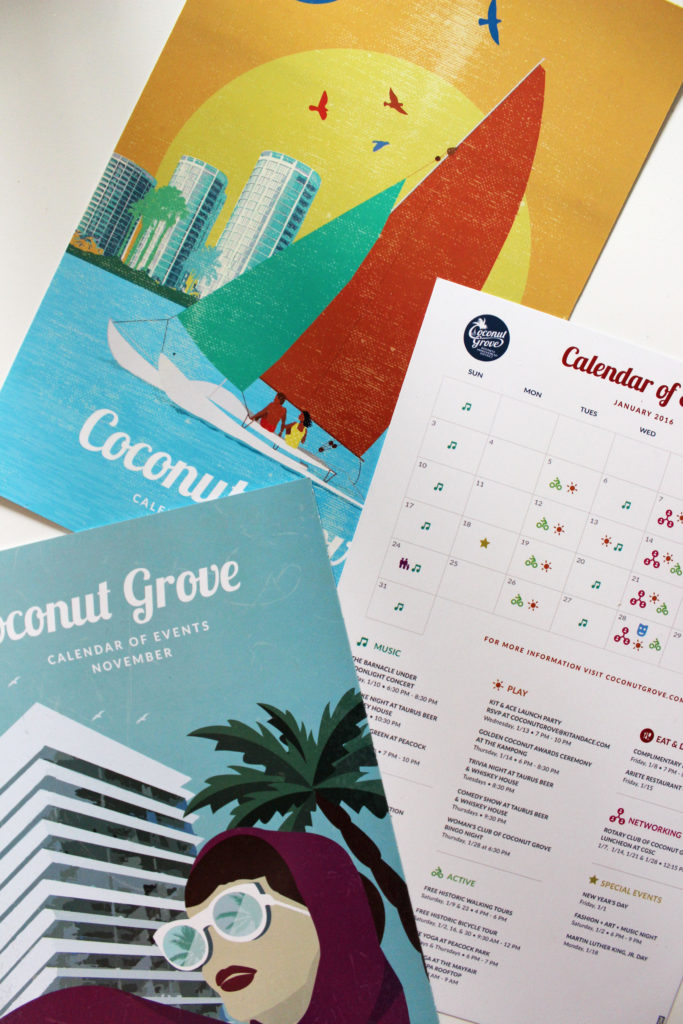
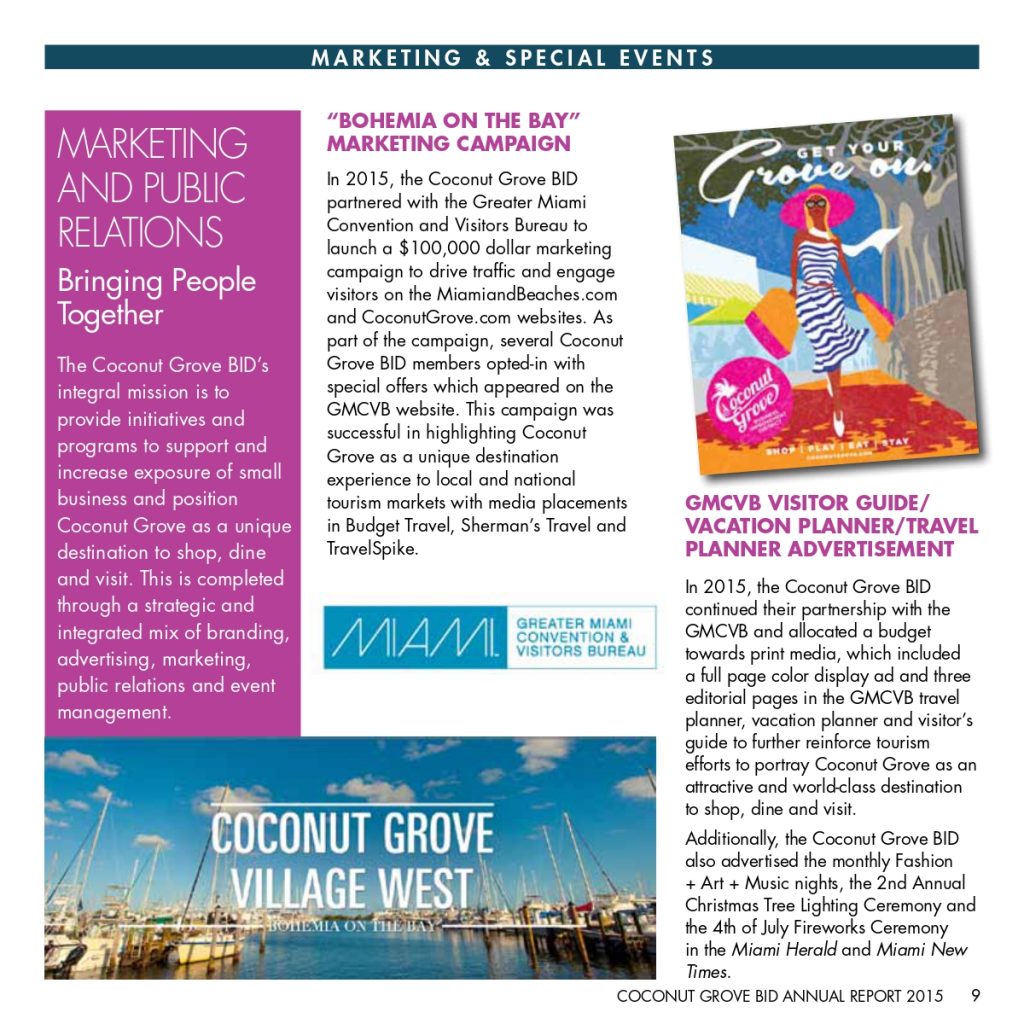
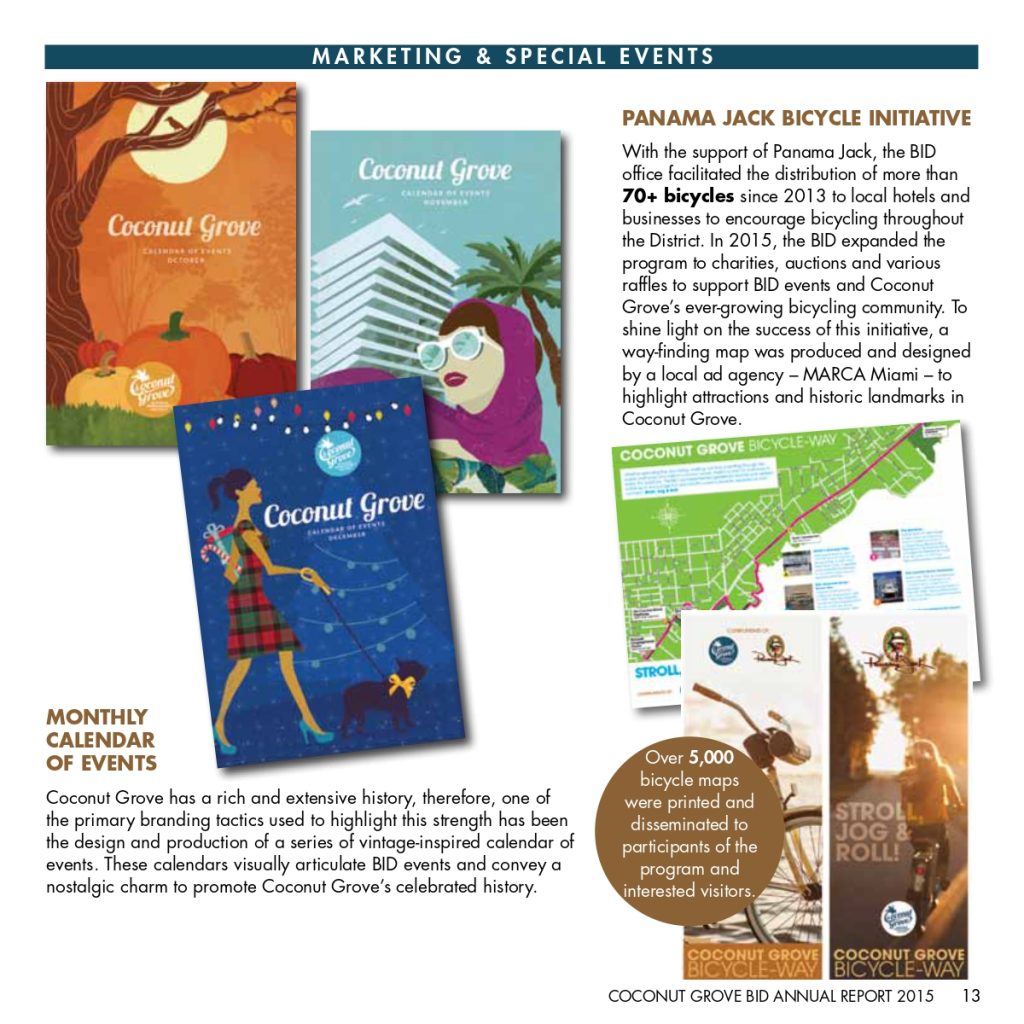
- Developed place-based storytelling campaigns highlighting Coconut Grove’s history, independent businesses, walkability, arts culture, and local traditions, reinforcing redevelopment as continuity rather than reinvention
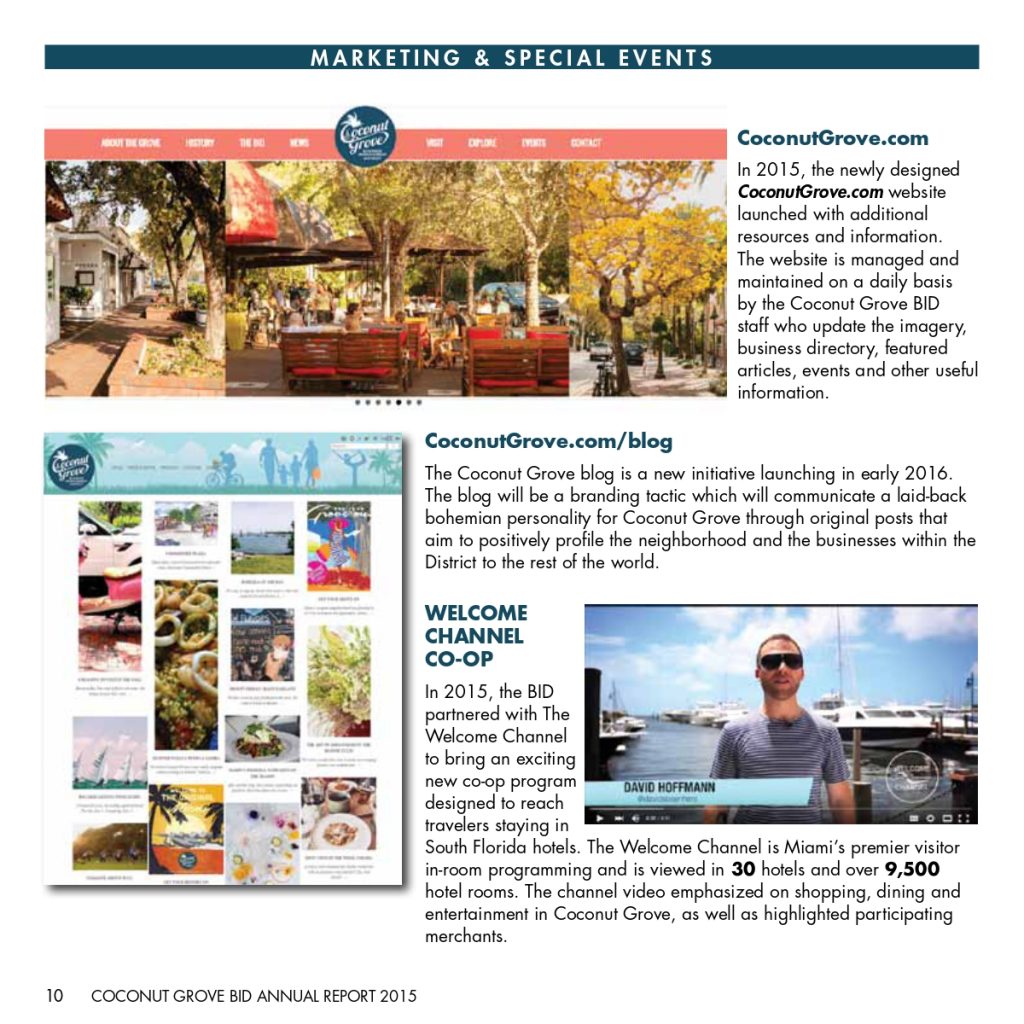
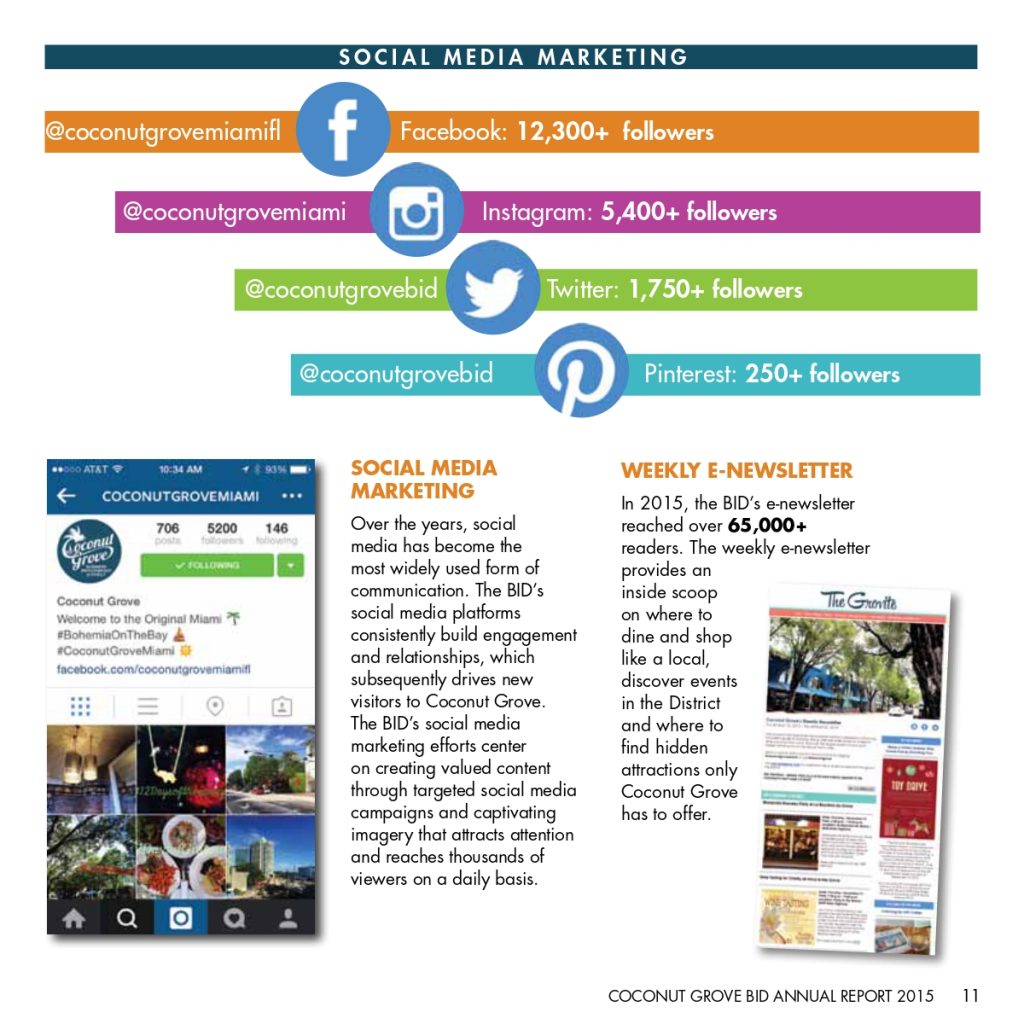
- Introduced Coconut Grove’s first lifestyle-focused digital storytelling initiatives, including influencer collaborations, social media takeovers, and neighborhood-focused editorial content designed to modernize visibility while preserving local identity
- Launched the BID’s first sponsorship and advertising program, securing partnerships with Vita Coco and the Miami Marlins to diversify revenue streams and support public programming without increasing reliance on assessments
- Developed communications systems supporting redevelopment updates, local business visibility, tourism engagement, and resident participation, helping reduce public uncertainty during a period of accelerated change
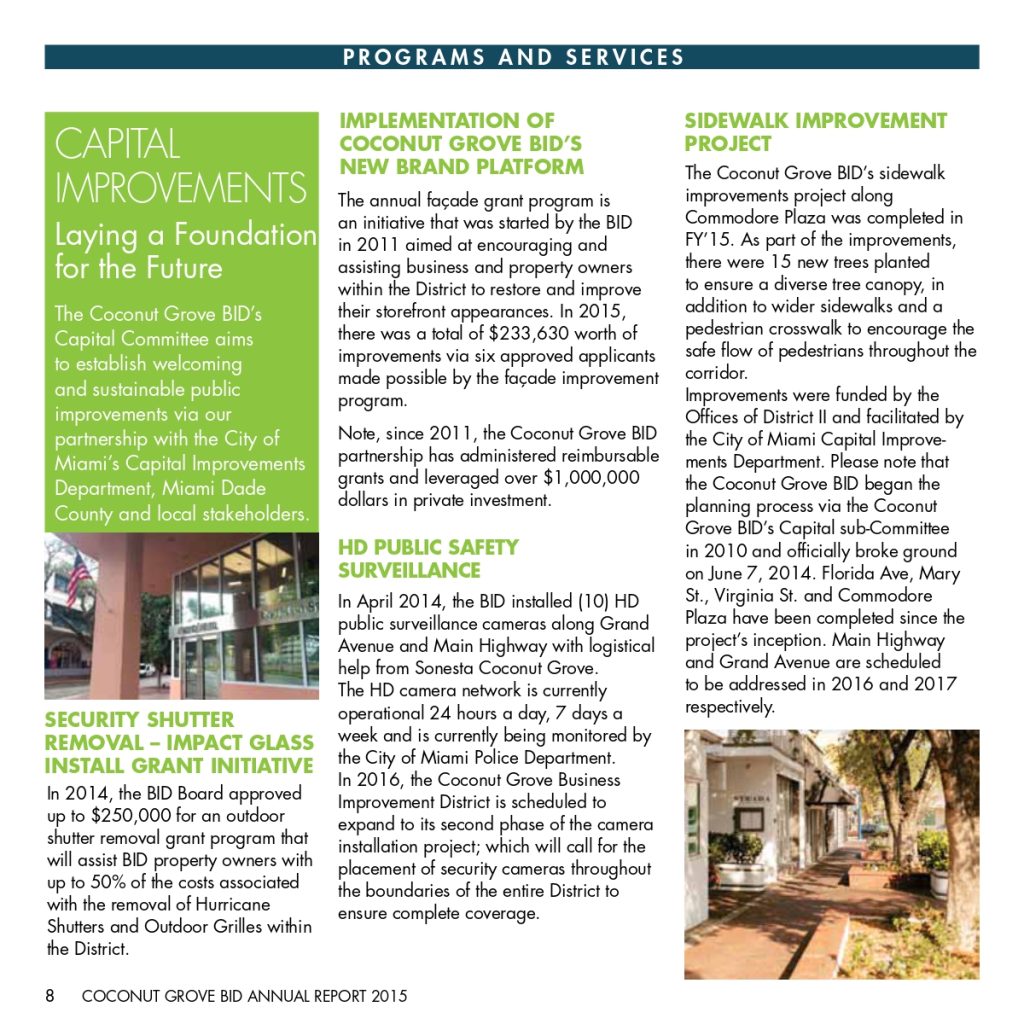
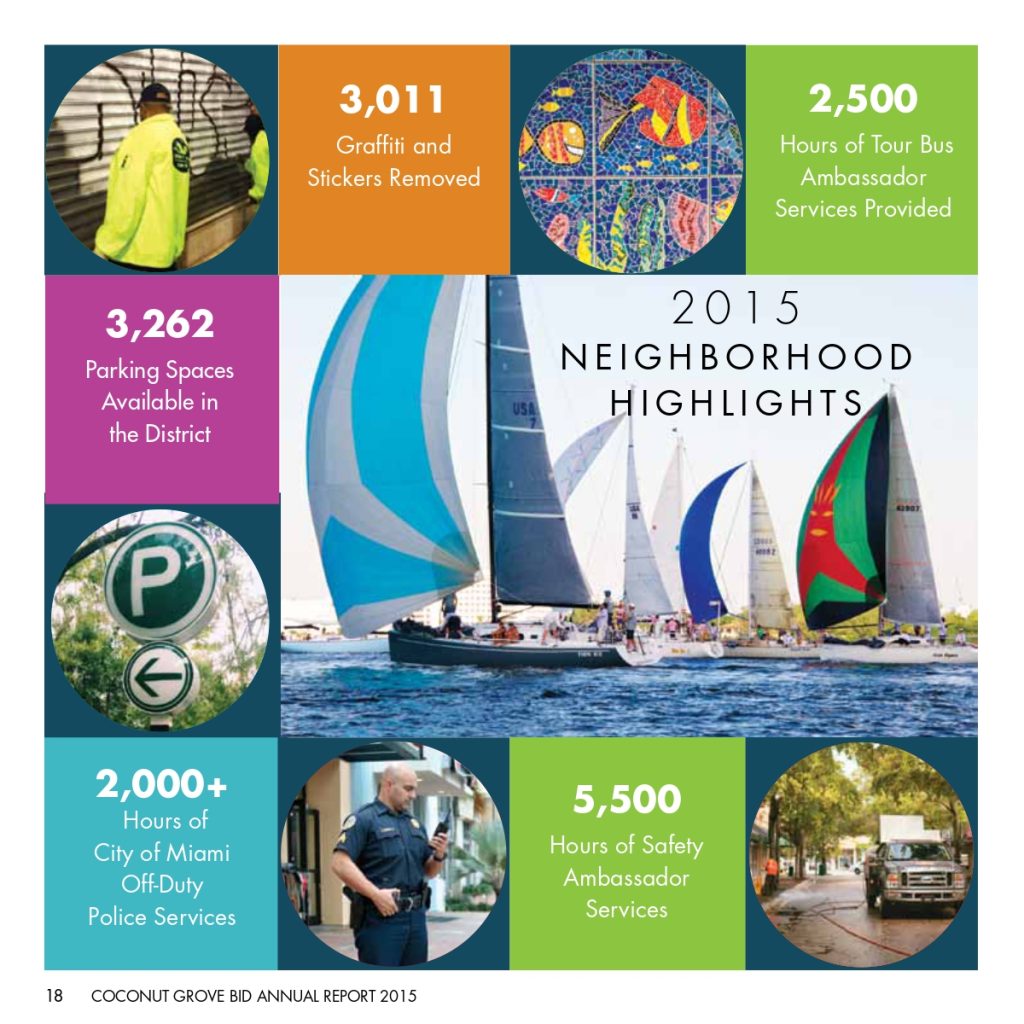
- Supported rollout of the district’s mobile parking application and upgraded street navigation signage, improving visitor accessibility, circulation, and business activity while maintaining the neighborhood’s historic tone
- Coordinated unified messaging between the BID, City of Miami, Greater Miami Convention & Visitors Bureau, Coconut Grove Chamber of Commerce, developers, and local stakeholders, reducing stakeholder fragmentation and strengthening redevelopment credibility
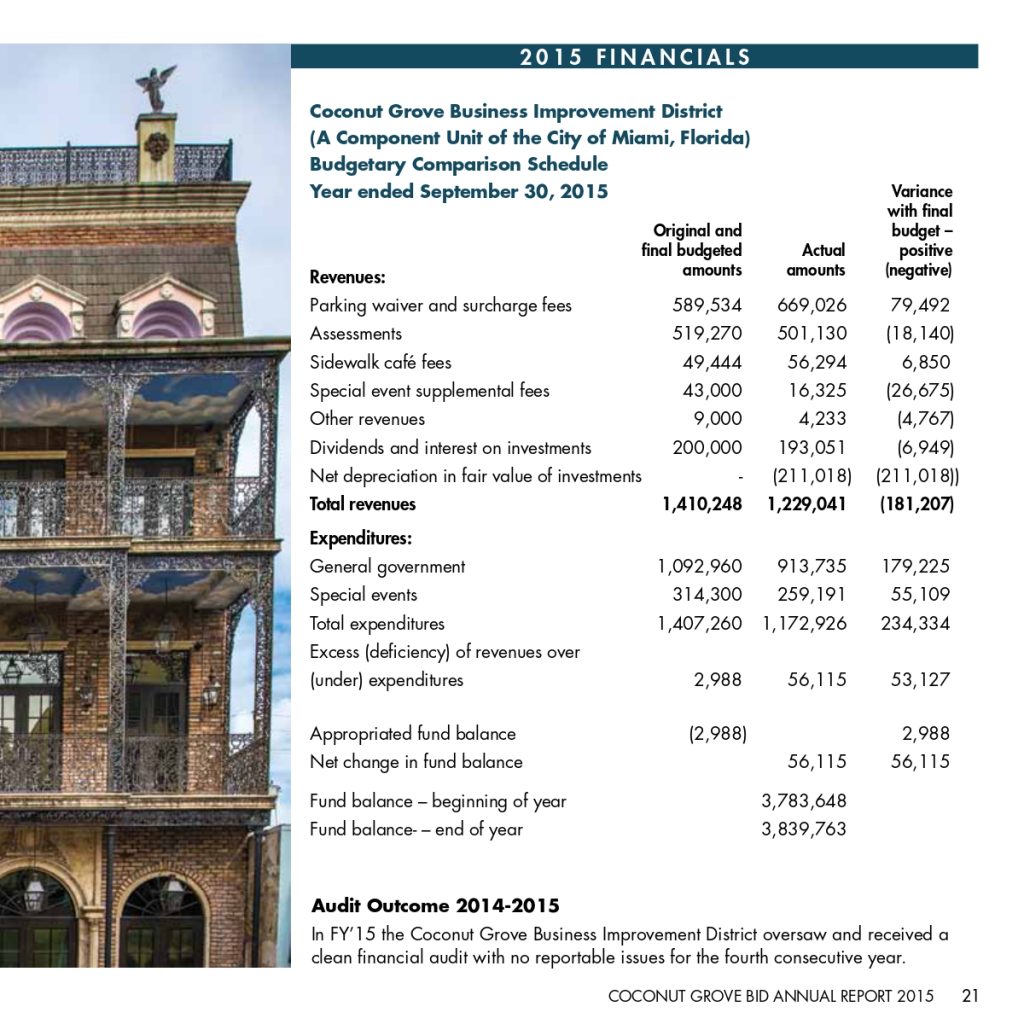
- Oversaw a $280,000 marketing, public relations, and special events budget, aligning expenditures with long-term district positioning, tourism visibility, and stakeholder trust objectives
RESULTS AND IMPACT
Coconut Grove transitioned through a period of intensified redevelopment without fracturing stakeholder alignment or compromising the neighborhood identity that defined its long-term economic value. During a period in which historic districts often experience uncertainty, weakened participation, and declining business confidence, Coconut Grove maintained public engagement while strengthening economic momentum.
Signature civic and cultural programming achieved record attendance, including events attracting more than 10,000 attendees, increasing neighborhood participation while supporting local business activity during redevelopment. Business engagement strengthened as visitation and foot traffic increased, contributing to measurable growth in local business revenue while redevelopment remained underway.
Community communications expanded significantly as The Grovite newspaper distribution doubled from 8 to 16 ZIP codes, strengthening district visibility, tourism awareness, and neighborhood engagement without compromising Coconut Grove’s historic identity or community-centered voice. Digital engagement and destination visibility increased through modernized storytelling initiatives while maintaining resident participation and local trust.
Sponsorship and alternative revenue streams expanded through the BID’s first structured partnership and advertising initiatives, securing support from organizations including Vita Coco and the Miami Marlins while diversifying funding beyond assessment-based revenue. Marketing activations and sponsorship programs created additional financial support for public programming, neighborhood visibility, and business activation during a period of accelerated redevelopment.
Visitor accessibility and circulation improved through enhanced wayfinding, upgraded signage, and implementation of the district’s mobile parking application, helping strengthen visitation patterns and improve customer experience. Changes in foot traffic and neighborhood visitation reflected increased destination activity as Coconut Grove continued evolving into a more activated commercial and cultural district.
Most importantly, Coconut Grove established a long-term stakeholder positioning framework in which residents, businesses, tourism organizations, developers, and municipal leadership could support modernization without treating preservation and economic advancement as competing priorities. Rather than experiencing identity erosion, Coconut Grove underwent an evolution that strengthened trust, increased visitation, supported business growth, and helped lay both the narrative and economic foundation for the revitalization of CocoWalk.